
ContextBook
ContextBook by Railway is a web-based tool for organizing and managing contextual information, enabling users to create, store, and retrieve structured content for research, writing, or project planni
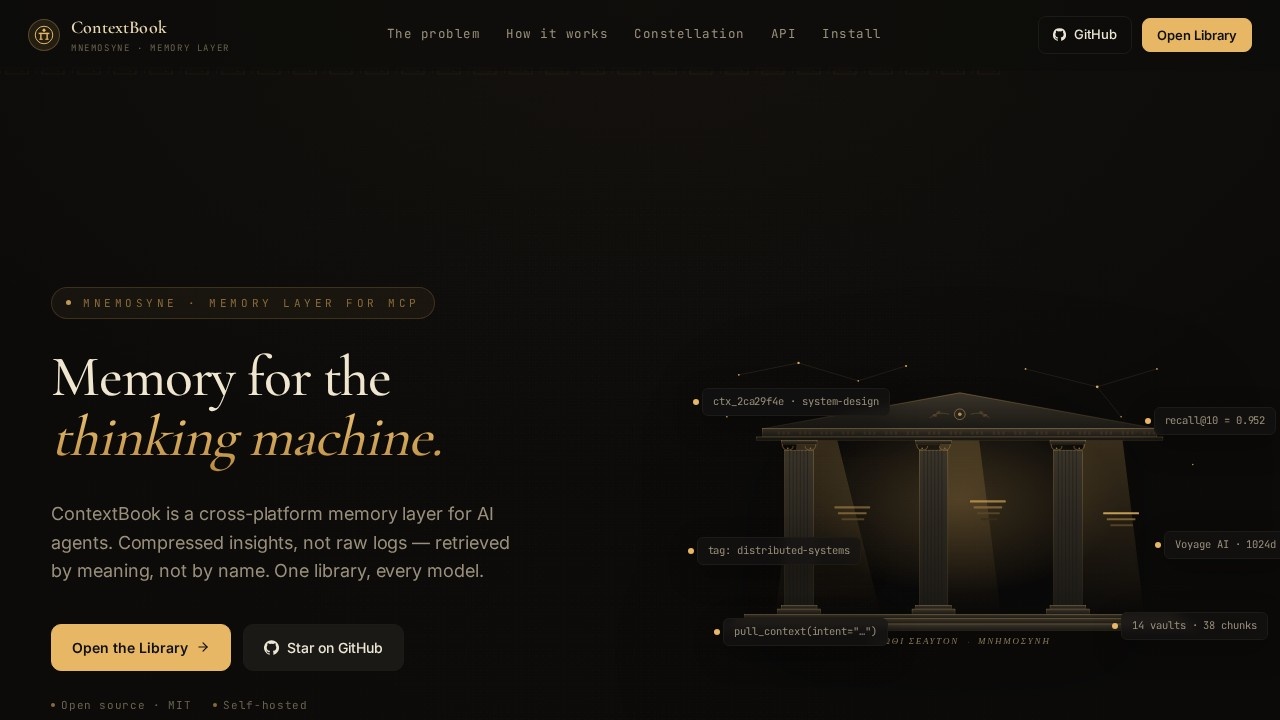
What is ContextBook?
ContextBook is a web-based tool from Railway that helps you organize and manage contextual information. It’s essentially a structured content hub where you can create, store, and retrieve notes, research fragments, or project details without losing track of the bigger picture. The interface is clean and minimal—designed for people who need to keep their thoughts and data connected, not just dumped into a folder.
Think of it as a cross between a smart notebook and a lightweight database. Instead of scattering notes across documents or apps, ContextBook lets you build a living repository of context that you can reference later. It’s not a note-taking app in the traditional sense—it’s more about structuring information so it stays meaningful over time.
Application scenarios
ContextBook works best in situations where you’re juggling multiple sources of information and need to keep them organized without constant mental overhead.
- Research projects – Collect articles, quotes, and observations, then link them together so you can see connections and gaps.
- Writing workflows – Store character profiles, plot points, or background lore for long-form writing. Retrieve details instantly without re-reading your own notes.
- Project planning – Keep meeting notes, task requirements, and stakeholder context in one place. Useful for teams that need to onboard new members quickly.
- Personal knowledge management – Save bookmarks, ideas, and reflections in a structured way. Build a second brain for your own learning.
Main features
Because the tool is web-based and still in active development, the feature set is focused on core functionality rather than bells and whistles.
- Create and store entries – Add text-based content with titles, categories, or tags. Each entry can hold a chunk of information that’s easy to find later.
- Organize with structure – Group related content using folders, labels, or custom fields. The exact organizational model isn’t documented publicly, but the interface suggests a flexible hierarchy.
- Search and retrieve – Find specific entries by keyword or browse by category. No AI-powered search here—just straightforward filtering.
- Edit and update – Modify existing entries as your context evolves. No version history visible, but basic editing is supported.
- Web-based access – No installation required. Login from any browser, and your data persists on Railway’s infrastructure.
Target users
ContextBook is built for anyone who deals with information overload and needs a dedicated space to manage context.
- Researchers – Academic or independent researchers who collect sources, quotes, and hypotheses.
- Writers – Authors, journalists, or content creators who need to track character arcs, timelines, or background research.
- Project managers – Professionals who oversee complex projects with many moving parts and need to keep stakeholder context accessible.
- Lifelong learners – People who actively manage their personal knowledge base and prefer structured notes over freeform journaling.
How to use ContextBook?
Using ContextBook is straightforward, even without detailed documentation. Here’s the general workflow:
- Sign in – Visit the URL and log in (likely via Railway’s authentication or a simple email-based system).
- Create a new entry – Click a button to add a new piece of content. Give it a title and fill in the body with your notes, research, or project details.
- Organize – Assign categories, tags, or folders to group related entries. This helps you filter and browse later.
- Search and retrieve – Use the search bar to find specific entries by keyword. Browse by category if you’re exploring related content.
- Edit or delete – Update entries as your context changes. Remove outdated information to keep your book clean.
- Export (if available) – Some web tools offer export options, but this isn’t confirmed for ContextBook. Check the interface for download or copy functionality.
The tool is lightweight and responsive—no heavy loading times or confusing menus. It’s designed for quick capture and retrieval, not for deep analysis or collaboration. If you need a simple way to keep your contextual information organized without switching apps, ContextBook is worth a try.
Frequently Asked Questions
What is ContextBook?
How does ContextBook help with research?
Can I use ContextBook for team projects?
Is ContextBook free to use?
How do I retrieve stored content in ContextBook?
What types of content can I store in ContextBook?
ContextBook - AI Tool Detail
ContextBook by Railway is a web-based tool for organizing and managing contextual information, enabling users to create, store, and retrieve structured content for research, writing, or project planni
Category:Knowledge Base
Visit Link:https://context-book-production.up.railway.app/
Tags:context management、research tool、project planning、knowledge base、information organization