AI Infrastructure2026-10-03 Ars Technica
RAM Shortage Expected to Continue Through 2028
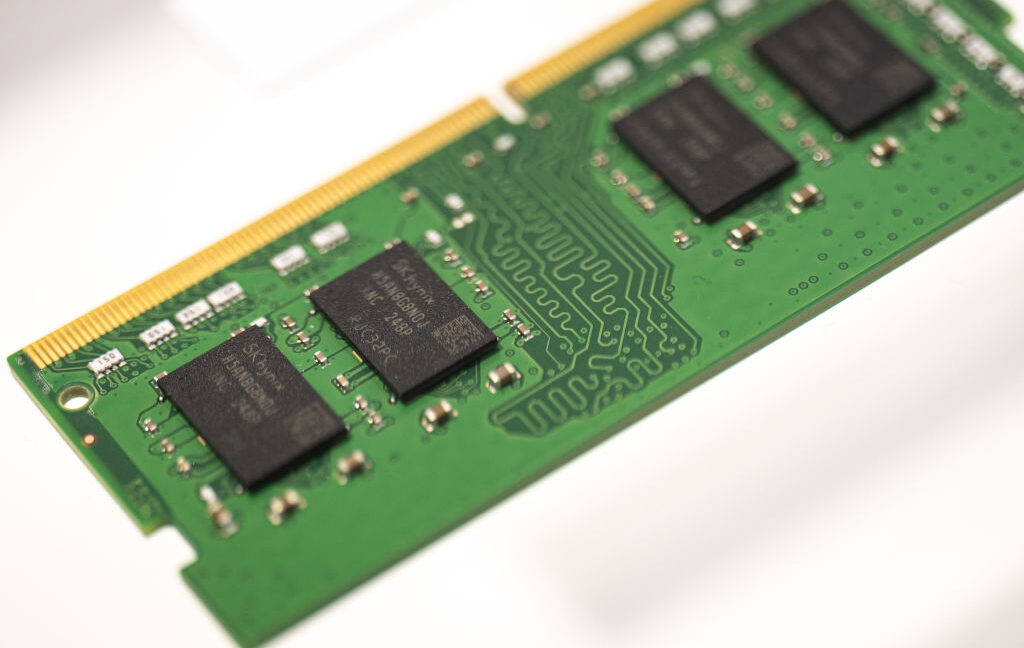
The global memory shortage is expected to persist through 2028, according to executives in the RAM industry, and pricing pressure is already visible in contracts for 2027. Memory sold for 2027 is reportedly much more expensive than 2026 levels, a sign that supply is struggling to keep pace with demand. The main driver is AI infrastructure. Data centers building training and inference clusters require enormous quantities of high-bandwidth memory and standard DRAM. HBM is especially constrained because it is complex to manufacture and is prioritized for accelerators used in large-scale AI. As capacity shifts toward these high-value products, less supply remains for consumer devices, servers, networking equipment, and edge hardware. The result is higher costs across the technology industry. Laptops, smartphones, gaming systems, and cloud instances could all feel the effects, while smaller AI companies may struggle to secure the memory they need to train or deploy models. For AI firms, memory availability is not just a budget issue; it can determine how quickly models are trained, how many users can be served, and whether inference can run economically. A prolonged shortage may push vendors to optimize models, use smaller quantized versions, or schedule workloads more efficiently. It could also accelerate interest in alternative memory technologies and new packaging methods. However, building fabs takes years and billions of dollars, so supply cannot adjust quickly. Until new capacity comes online, buyers should expect tight conditions and volatile prices. Enterprises may need longer-term contracts, careful capacity planning, and designs that use memory more efficiently. Consumers, meanwhile, may see higher device prices or fewer memory-heavy configurations. The shortage through 2028 is a reminder that the AI boom depends on physical supply chains as much as algorithms, and memory has become one of the most critical bottlenecks in the entire stack.