Robotics2026-11-10 NVIDIA AI Blog
NVIDIA Advances Robot Simulation at CoRL
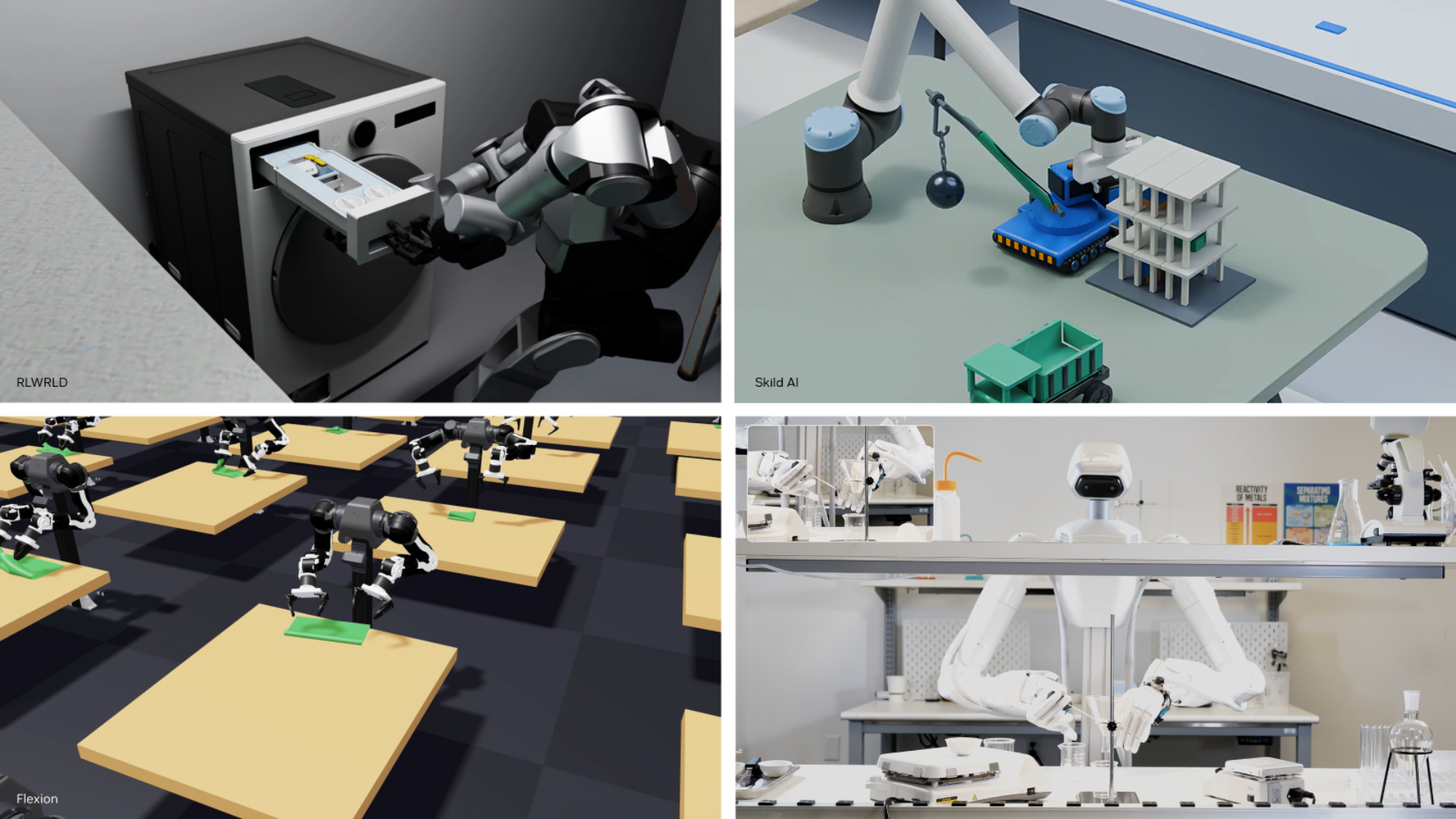
NVIDIA and its partners at CoRL showcased how simulation is helping robots rehearse delicate manipulation tasks that have long been difficult to automate. The demonstrations included aligning gears, connecting cables and assembling small components. Those jobs require more than moving a robot arm from one point to another. They depend on contact, force, tolerance and subtle adjustments that are hard to model but essential in real-world manufacturing and service work. Simulation has already proved useful for teaching robots to walk, roll and hop. Fine manipulation is a tougher challenge because small errors can cause a task to fail, and physical trial-and-error can be slow and expensive. By training robots in simulated environments, developers can test many variations, expose models to rare edge cases and refine control policies before deploying hardware. That can reduce the need for costly physical trials and shorten development cycles. The CoRL work reflects a broader push to make simulation more realistic and useful for industrial robotics. The goal is not to replace real-world testing entirely. Simulated environments can differ from reality, and robots still need to prove they can handle unexpected conditions. But better simulated training can help bridge the gap between laboratory demos and practical deployment. For manufacturers, the appeal is clear: robots that can handle small parts, flexible cables and precise assembly could improve productivity and address labor shortages in repetitive or highly technical tasks. For the robotics industry, the CoRL showcase signals that simulation is moving beyond locomotion and toward the kinds of hands-on skills that define many factory and service jobs. NVIDIA’s role also highlights how AI computing, synthetic data and physics-based modeling are converging. The next step will be validating these simulated skills on real production lines, where tolerances, wear and unpredictable environments test whether training in virtual worlds can translate into reliable performance.