
无影云电脑
Alibaba's Wuying Cloud Computer is an AI assistant platform with self-evolving skills and multi-agent collaboration, automating workflows through natural language and offering flexible cloud or local
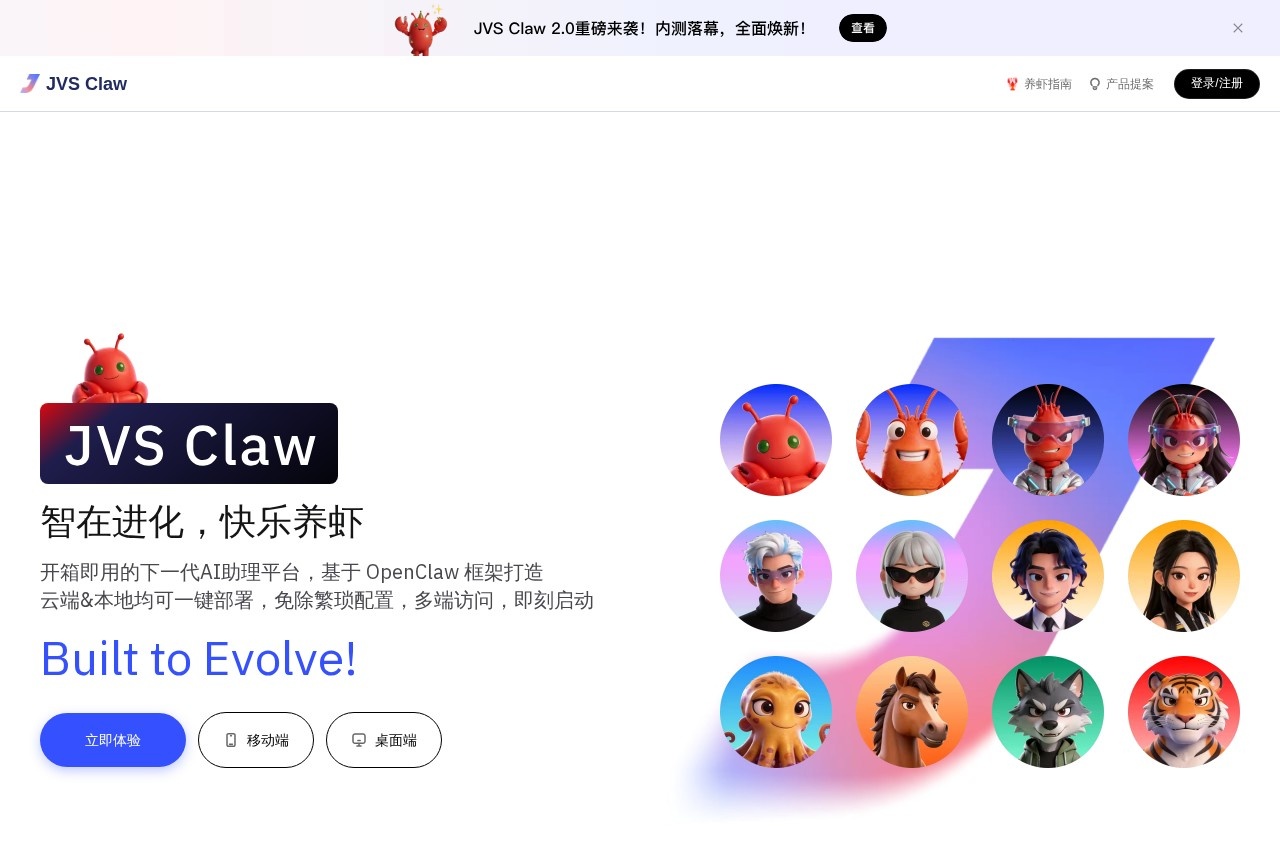
无影云电脑 (Wuying Cloud Computer) Review: Alibaba's AI-Powered Workflow Automator
What is 无影云电脑?
无影云电脑 (Wuying Cloud Computer) is an AI assistant platform developed by Alibaba. It positions itself as more than just a virtual desktop; it's a system built around self-evolving AI skills and multi-agent collaboration. The core proposition is workflow automation triggered by natural language commands. A key practical feature is its deployment flexibility, allowing users to operate from the cloud or run it on local hardware. This hybrid approach aims to cater to different performance, security, and connectivity needs. The platform is accessible via its dedicated portal, signaling Alibaba's push into the competitive landscape of intelligent, agentic automation tools.Application Scenarios
The platform is designed for scenarios where repetitive, rule-based digital tasks create bottlenecks. Think of a marketing team that needs to regularly compile reports from multiple data sources, format them, and distribute summaries—a process ripe for automation through natural language instructions. In customer support, it could manage ticket triage and initial response routing by collaborating with existing CRM systems. For developers and IT operations, it might handle routine system checks, log aggregation, or deployment coordination between different services. The multi-agent collaboration suggests it can manage complex workflows that require several steps performed by specialized "agents," such as one fetching data, another analyzing it, and a third formatting the output for presentation. Essentially, any business process that involves moving data and triggering actions across several software applications is a potential use case.Main Features
While specific features aren't listed, the description points to several powerful conceptual pillars. The standout is the self-evolving skills of its AI assistants. This implies the platform's capabilities are not static; they can presumably improve or adapt based on interaction and new data, reducing the need for constant manual reconfiguration. The multi-agent collaboration feature is central, suggesting the platform can orchestrate several AI "workers" to tackle different parts of a task simultaneously or in sequence, mimicking a human team. Natural Language Automation is the user interface; you describe what you want done in plain language, and the system interprets and executes the workflow. Finally, the flexible cloud or local deployment is a significant operational feature. It offers the scalability and accessibility of the cloud while providing a local option for sensitive data or low-latency requirements, giving organizations control over their data sovereignty and infrastructure.Target Users
The primary target is organizations and professionals drowning in digital process overhead. Business operations teams in small to large enterprises are ideal users, especially those looking to automate cross-application workflows without deep technical coding. IT and DevOps departments could leverage it for system management and orchestration tasks. Data analysts and mid-office professionals who spend significant time on data gathering, cleaning, and reporting would benefit from automated pipelines. Given Alibaba's strong presence in commerce, e-commerce and retail operations teams managing inventory, listings, and customer data across platforms are a natural fit. The platform seems suited for users who understand their business processes well but may not have the programming expertise to build automations from scratch, relying instead on natural language to bridge that gap.How to use 无影云电脑?
Getting started likely involves visiting the official portal and signing up for an account. The initial setup probably includes defining your preferred deployment mode—either provisioning a cloud instance or installing a local client. The core user experience would then revolve around interacting with the AI assistant, likely through a chat interface or a workflow builder that accepts natural language input. Users would describe a task or process they want to automate. The platform's AI would then presumably help map that description into a sequence of actions, potentially deploying different specialized agents for various steps. Configuration would involve connecting to necessary third-party services and applications (like databases, CRM, or productivity software) to grant the agents the permissions needed to execute tasks. Over time, as the system's skills "self-evolve," it might suggest optimizations or new automation opportunities based on observed usage patterns. The interface is designed to abstract away complexity, making advanced automation accessible through conversation.Frequently Asked Questions
What is Wuying Cloud Computer?
Wuying Cloud Computer is Alibaba's AI assistant platform featuring self-evolving skills and multi-agent collaboration, designed to automate workflows through natural language interaction with flexible cloud or local deployment options.
How does Wuying Cloud Computer automate workflows?
It uses natural language processing to understand user commands and coordinates multiple AI agents to execute tasks automatically, streamlining complex processes without manual intervention.
What does 'self-evolving skills' mean for this tool?
The AI assistant continuously learns and improves its capabilities over time based on user interactions and data, adapting to new tasks and becoming more efficient without requiring manual updates.
Can Wuying Cloud Computer be deployed locally or only in the cloud?
It offers flexible deployment options, allowing users to choose between cloud-based operation for scalability or local installation for enhanced data control and privacy.
What are the main benefits of using Wuying Cloud Computer?
Key benefits include automated workflow efficiency, reduced manual effort through AI collaboration, adaptability through self-learning, and deployment flexibility to suit different organizational needs.
Who can benefit from using this AI tool?
Businesses and individuals seeking to automate repetitive tasks, streamline operations, and leverage AI collaboration for improved productivity, particularly those needing scalable cloud or secure local solutions.
无影云电脑 - AI Tool Detail
Alibaba's Wuying Cloud Computer is an AI assistant platform with self-evolving skills and multi-agent collaboration, automating workflows through natural language and offering flexible cloud or local
Category:Claw Product
Visit Link:https://jvs.wuying.aliyun.com/
Tags:cloud computing、AI assistant、workflow automation、multi-agent collaboration、Alibaba Cloud