AI Infrastructure2026-09-15 IEEE Spectrum AI
OpenAI used LLMs to design Jalapeño chip
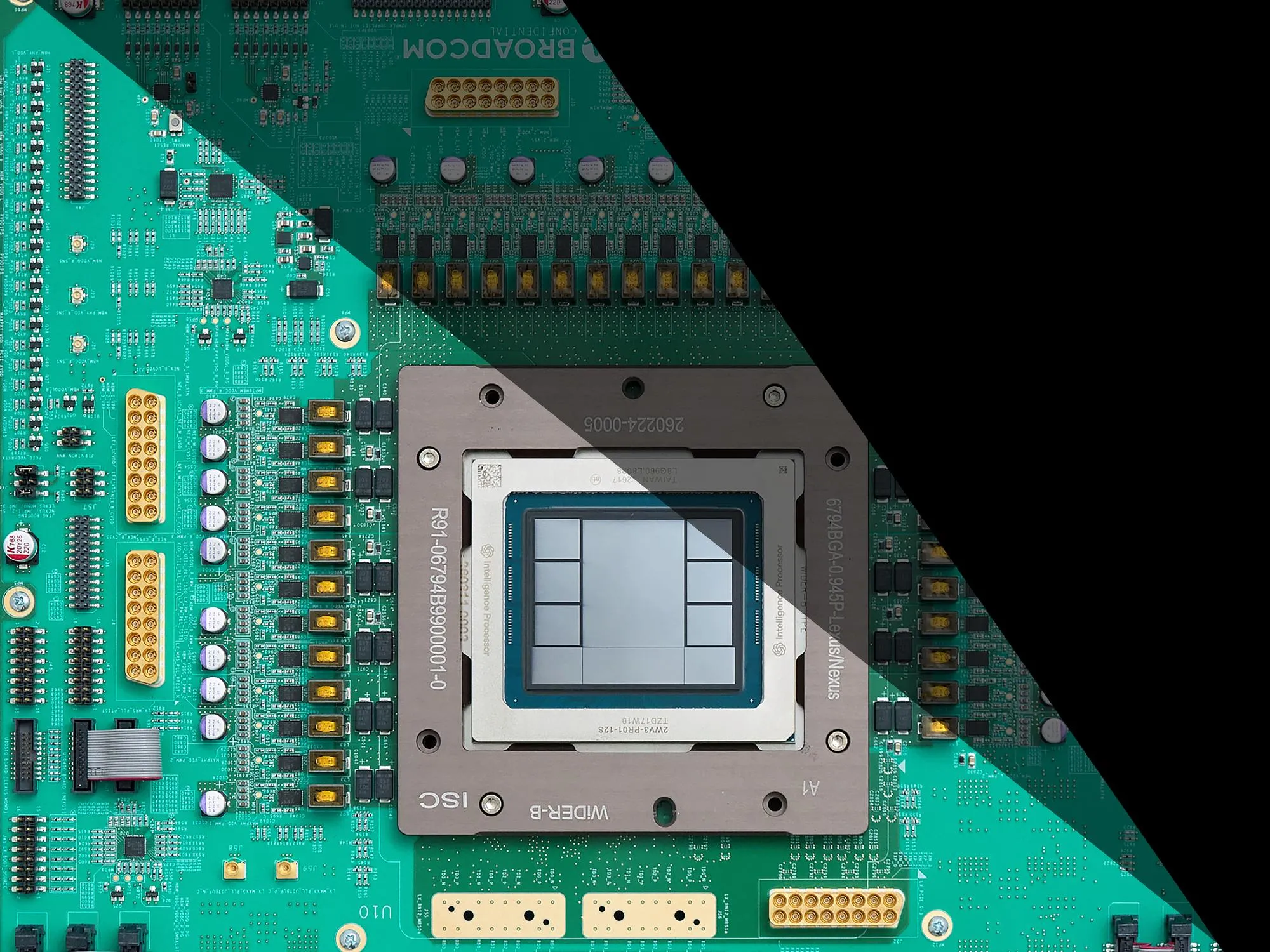
OpenAI has revealed that its first dedicated AI accelerator, code-named Jalapeño, was designed with meaningful help from the company's own large language models. The chip is built for demanding AI workloads and offers up to 13.4 petaflops of 4-bit compute. It also provides access to 232 GB of advanced memory with a bandwidth of 15.4 TB/s. According to benchmarks highlighted by OpenAI, the hardware delivers strong performance, making the project more than a symbolic experiment. The more important story may be how it was created. OpenAI says LLMs contributed to the engineering process, showing that AI systems can assist with complex hardware design tasks that have traditionally required large teams, long timelines, and expensive iteration cycles. If the approach scales, it could reduce the time and cost needed to develop new chips. That matters because AI accelerators are central to training and running modern models, and demand for faster, more efficient silicon keeps rising. The project also raises the possibility of AI improving the tools used to build AI itself, creating a feedback loop in which models help optimize future hardware, and that hardware then trains stronger models. Jalapeño is not just a product announcement; it is a signal that AI-assisted chip design is moving from research curiosity toward practical engineering. Still, experts will want more detail about how much of the design was guided by LLMs, how benchmarks compare with competing accelerators, and whether the method can be repeated across different chip architectures. Even with those caveats, the debut gives OpenAI a notable milestone in both semiconductor development and self-improving AI infrastructure.