AI Infrastructure2026-09-17 NVIDIA AI Blog
NVIDIA Vera Rubin NVL72 Leads MLPerf Inference
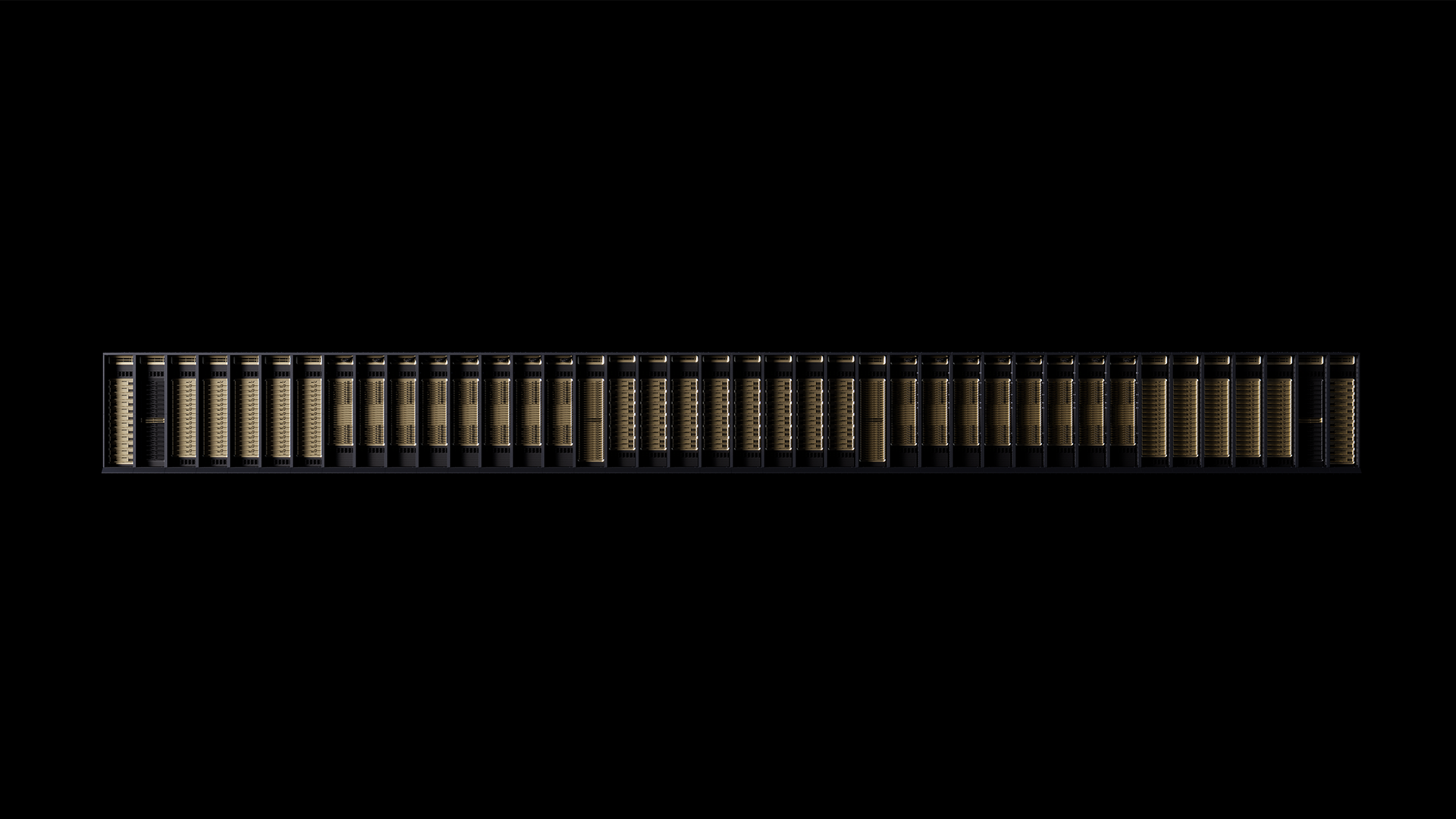
NVIDIA has announced that its Vera Rubin NVL72 system delivered top results in the MLPerf Inference v6.1 debut, a benchmark release that measures how quickly and efficiently AI systems can handle real-world inference workloads. The company is framing the result not just as a speed record but as evidence that inference performance is becoming a core economic metric for AI factories. In this view, every improvement in throughput translates into more tokens generated per unit of time, which can directly increase revenue for operators that sell model access or run large-scale AI services. NVIDIA also stresses that system-level performance matters as much as individual chip specifications. The Vera Rubin NVL72 is positioned as a rack-scale platform, and its benchmark showing reflects coordinated advances across GPUs, networking, memory, and software. Efficient infrastructure scaling is another pillar: as customers add more hardware, throughput should grow predictably rather than plateau because of bottlenecks. Continuous software optimization is the third lever, allowing existing deployments to improve over time without replacing hardware. The MLPerf debut gives customers a standardized way to compare these claims against rival systems, while also signaling that the competition in AI infrastructure is shifting from raw training speed toward inference economics. For enterprises and cloud providers, the takeaway is that choosing an inference platform now involves balancing performance, scaling efficiency, software maturity, and total cost per token. NVIDIA's result is likely to intensify that debate as AI workloads move from experimentation into high-volume production.