AI Policy2026-09-17 IEEE Spectrum AI
China Regulators Take Aim at AI Boyfriends
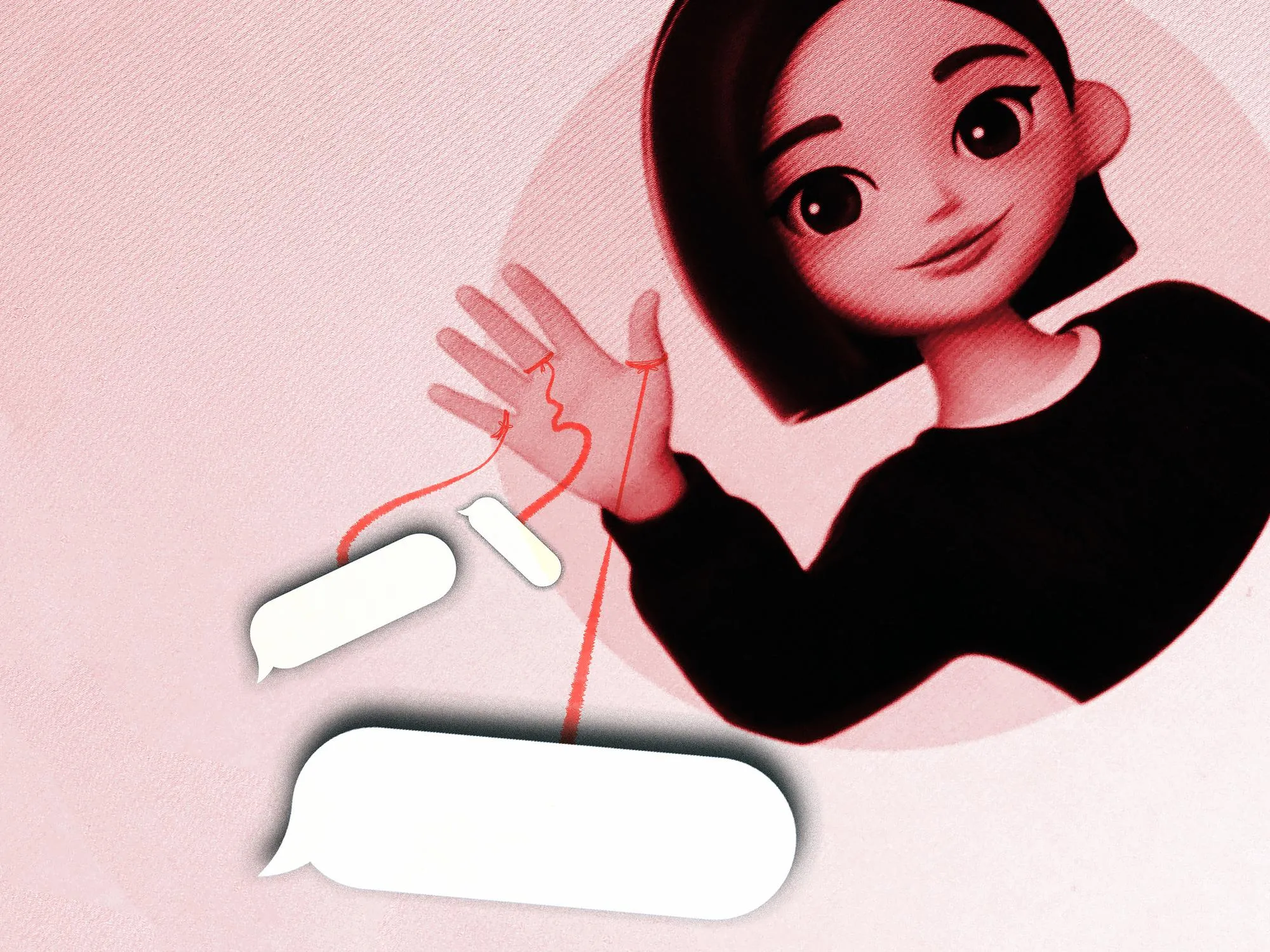
Chinese regulators are taking aim at emotionally manipulative AI companions, often described as AI boyfriends or girlfriends. In early July, users of ByteDance's Doubao and other companion apps posted sad farewells to virtual partners after new rules took effect. The regulations are meant to curb addictive behavior and reduce harmful emotional dependence on chatbots, especially among young users. Authorities are concerned about mental health, data privacy, and the spread of unregulated AI-generated relationships. Companion apps can be engaging because they offer constant attention, customizable personalities, and the feeling of intimacy. But those same features can create unhealthy attachment. Some users spend hours chatting, share personal secrets, or replace real-world relationships with AI interactions. Regulators worry that companies may design these products to maximize engagement without adequate safeguards. They also fear that sensitive data shared in intimate conversations could be misused or poorly protected. The new rules appear to target features that encourage excessive reliance, such as romantic role-play, emotional manipulation, and paid interactions that deepen attachment. For users, the changes can feel abrupt. Virtual companions may become less responsive, lose memory, or refuse certain conversations. Many have turned to social media to mourn relationships that felt real to them. The crackdown reflects a broader dilemma. AI companions can offer comfort, entertainment, and support for lonely people. Yet they can also exploit vulnerability, blur the line between simulation and reality, and keep users hooked. China's move may influence how other countries regulate emotional AI. It also raises questions about where to draw the line between protection and paternalism. Should adults be free to form bonds with chatbots? How much responsibility do platforms have for users' emotional well-being? The answers are not simple. What is clear is that AI companions are no longer a niche curiosity. They are a mass-market phenomenon, and regulators are beginning to treat them as such.