AI Policy2026-09-15 WIRED AI
New York seizes a dozen deepfake websites
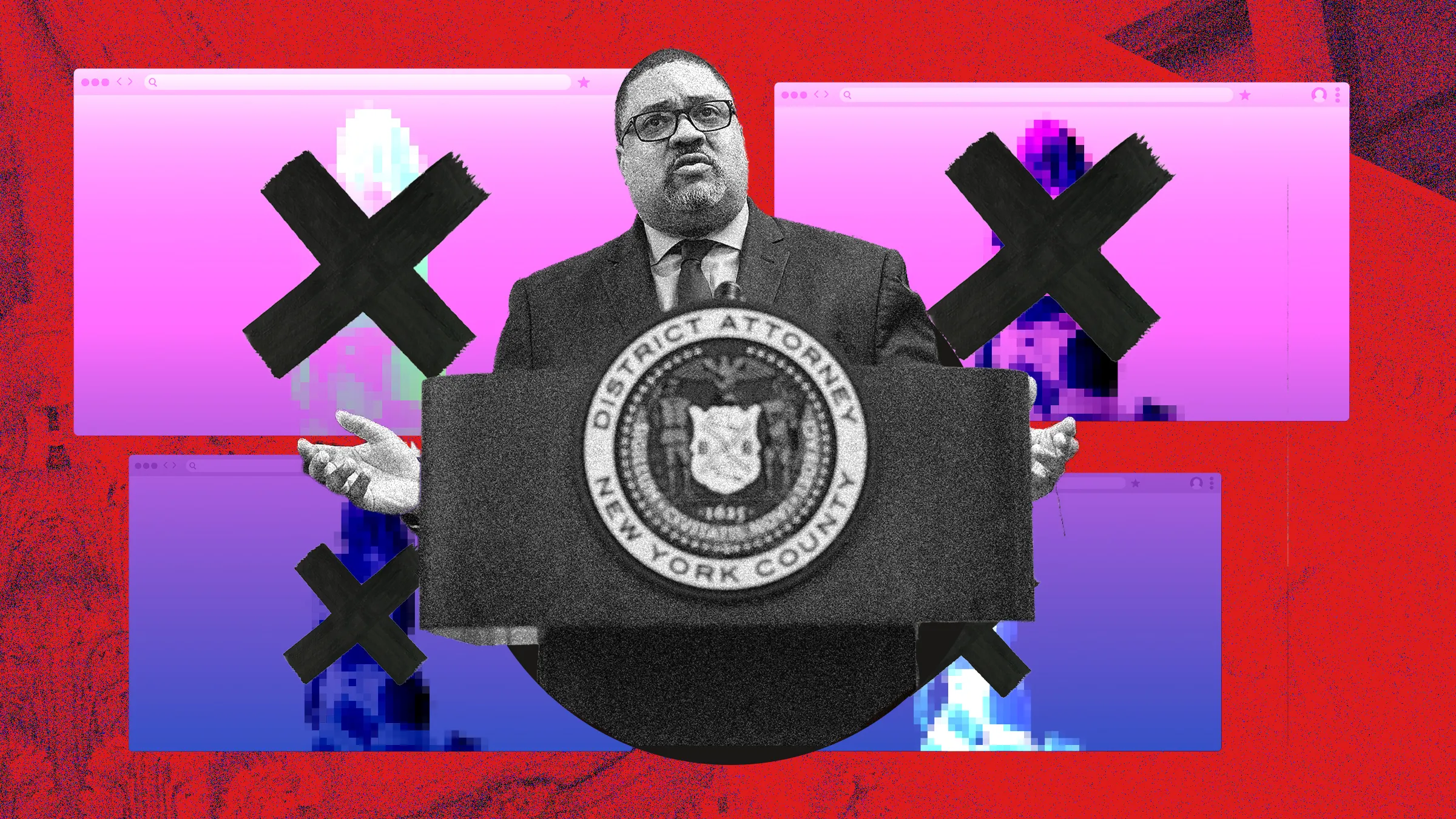
The Manhattan District Attorney's Office has seized 12 websites that hosted celebrity deepfakes, in what authorities describe as one of the largest legal actions yet against harmful AI-generated content. The sites are accused of using artificial intelligence to create nonconsensual intimate imagery and other fraudulent material. Officials say the operation targeted around 1,200 victims, a figure that highlights how quickly deepfake abuse can scale online. The seizure sends a clear warning that law enforcement is beginning to treat AI-generated exploitation as a serious criminal matter rather than a fringe internet problem. Authorities said the websites violated laws against indecent exposure and harassment. The case also reflects growing concern about the ease with which realistic fake images and videos can be produced and distributed. Celebrities are frequent targets, but the same tools can be used against private individuals, including former partners, coworkers, or strangers. For victims, the harm can be immediate and lasting, affecting reputations, mental health, and personal safety. The action against these sites may not eliminate deepfake abuse, but it could disrupt a major distribution network and discourage others from hosting similar content. Legal experts will be watching how prosecutors build the case, especially because deepfake laws vary by jurisdiction and raise difficult questions about platform liability, anonymity, and free expression. The seizure also adds pressure on technology companies and lawmakers to create stronger safeguards, faster takedown processes, and clearer penalties. As AI image and video generators improve, the fight over nonconsensual deepfakes is likely to intensify. This case shows that authorities are willing to use seizures and criminal charges to push back.