AI Sustainability2026-11-15 NVIDIA AI Blog
AI and robotics help recyclers recover mixed waste
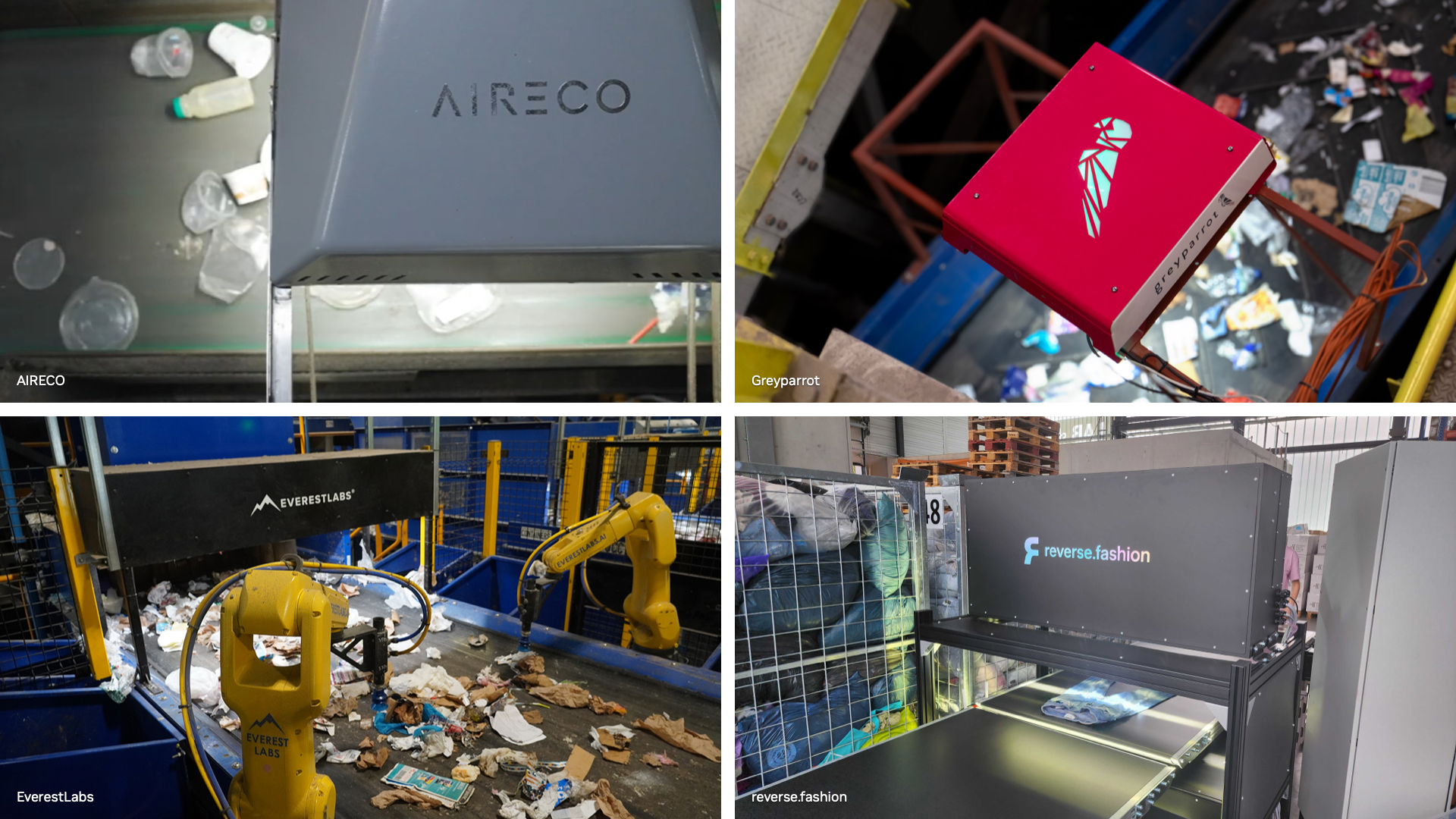
Recycling facilities handle some of the most complicated material streams in the economy: worn clothing, mixed bottles, packaging, and other items arrive together and must be separated quickly. Nvidia has highlighted how recyclers are using vision AI and robotic arms to take on that task. Cameras and computer vision models identify recoverable materials on conveyor belts, while robotic systems pick targeted items out of the flow. Accelerated computing helps process images and coordinate sorting in real time.
The appeal is practical. Manual sorting is repetitive, difficult, and sometimes unsafe, and labor shortages can limit how much material a facility can process. Automated systems can work continuously and can be adapted to recognize new packaging or material types. The result can be less material sent to landfill and higher recovery of valuable plastics, metals, paper, and textiles. The case also shows AI moving beyond digital products into physical infrastructure, where software has to work with sensors, machinery, and messy real-world conditions.
Challenges remain. Mixed waste is variable, contaminated, and often hard to identify, especially when items are crushed or overlapping. Robots must be fast and reliable enough to justify their cost, and facilities need staff who can maintain and operate the systems. But the direction is clear: computer vision and robotics are becoming part of the basic machinery of recycling. As volumes grow and contamination rules tighten, automation could help recyclers recover more from every ton of material while reducing the burden on human workers.