AI Infrastructure2026-11-17 NVIDIA AI Blog
NVIDIA unveils Rubin HPC GPU for science
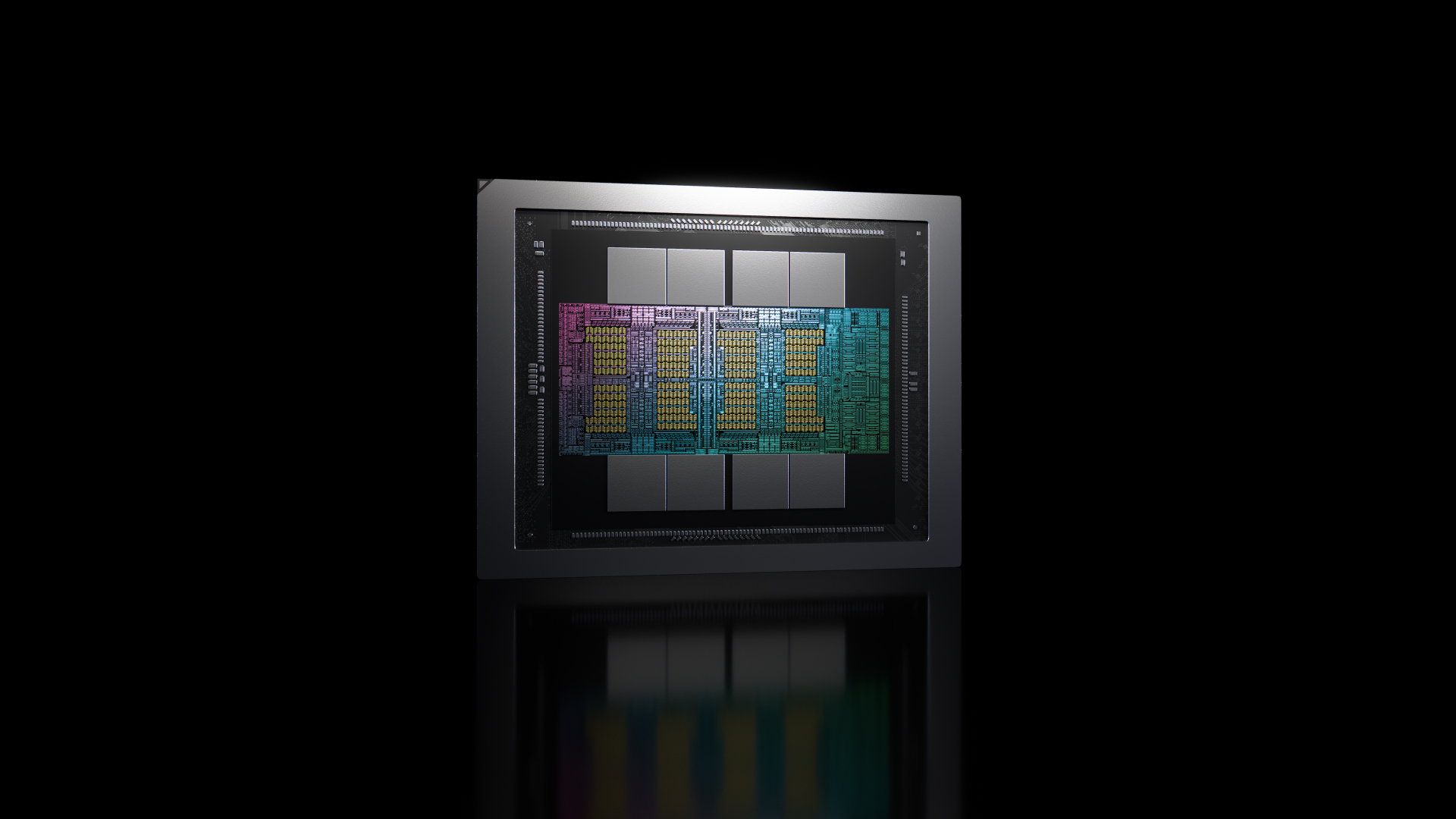
At SC26, NVIDIA announced Rubin HPC, a new GPU in its Vera Rubin family aimed at scientific computing rather than only AI model training. The company says the chip is designed to speed up simulation, data processing and analytics for science, engineering and business workloads. NVIDIA's pitch centers on a combined workflow: AI agents can explore large numbers of candidate materials, molecules or designs, while high-performance computing validates the most promising options through detailed simulation. That approach reflects a broader shift in research computing, where AI is used to narrow the search space and traditional HPC is used to test and refine results. Rubin HPC extends NVIDIA's AI infrastructure strategy into established HPC markets that have long relied on CPUs and specialized accelerators. The move could matter for national laboratories, universities, research institutes and enterprises running complex simulations. Those customers need high double-precision performance, large memory capacity, fast networking and mature software support, not just AI training throughput. NVIDIA will need to show that Rubin HPC delivers on those requirements and fits into existing scientific codes. The announcement also signals that the company sees AI and simulation converging. If successful, Rubin HPC could help NVIDIA sell a more unified platform for research workflows that combine generative models, data analysis and physics-based simulation. Customers will watch for detailed specifications, availability and benchmark results before deciding whether to adopt the new GPU.