AI Infrastructure2026-10-29 NVIDIA AI Blog
NVIDIA DSX Targets AI Factory Power Bottleneck
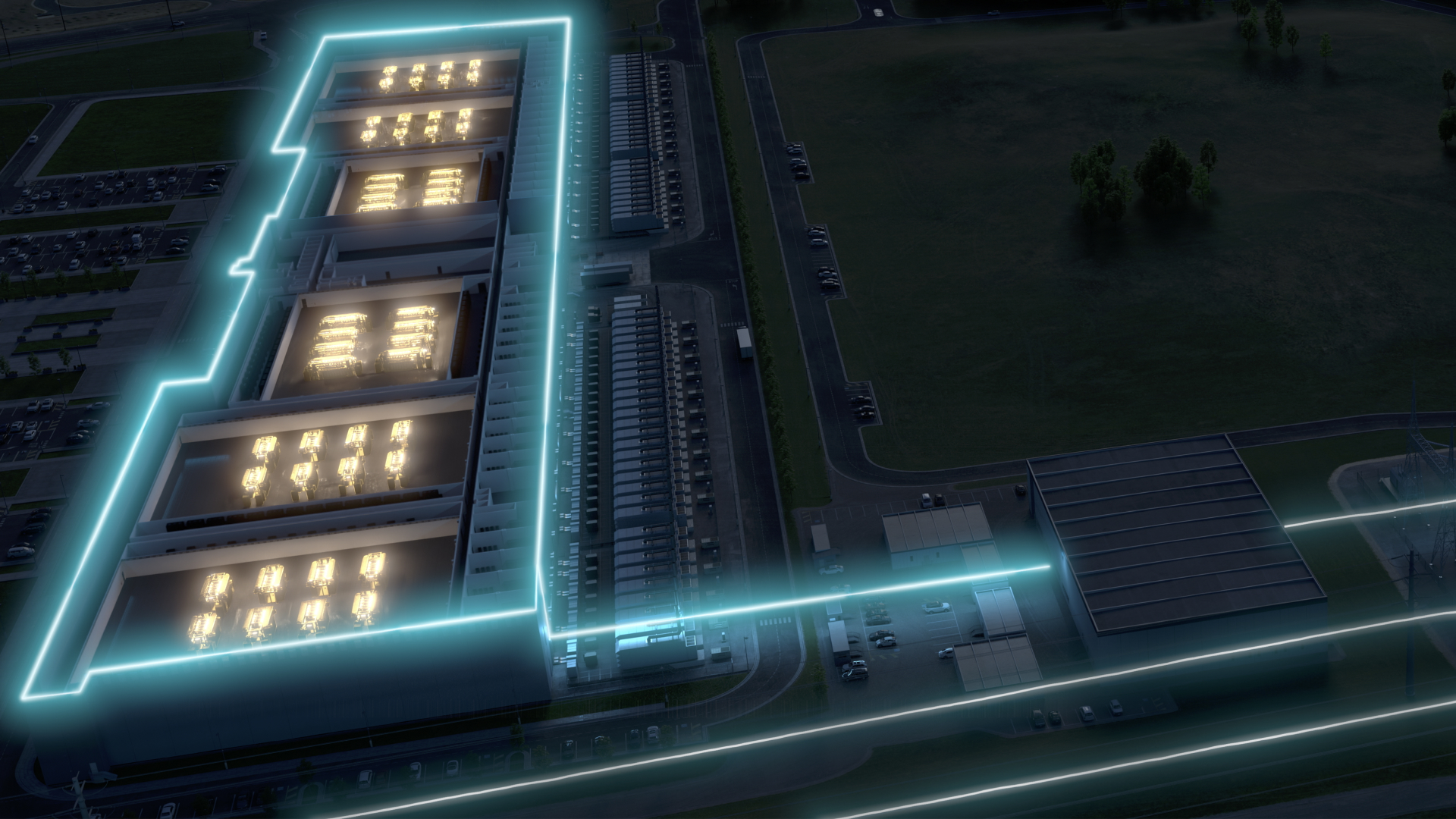
NVIDIA's DSX AI Factory Platform is aimed at a constraint that is becoming hard to ignore: power. As AI clusters grow, operators are finding that the availability and reliability of electricity can matter as much as GPU supply. DSX is designed to let companies plan, simulate, and operate power grids and AI data centers as a single system, spanning everything from the substation to the rack. The idea is to model energy and compute together rather than treating facility power as a separate, downstream concern.
That approach could help operators catch problems earlier. AI data centers have unusual load profiles, and adding large training clusters can strain local grids or require new substation capacity. By simulating how compute demand interacts with power delivery, DSX aims to support more efficient facility designs, reduce the risk of grid disruptions, and help bring AI capacity online faster. It also reflects a broader shift in AI infrastructure planning: power availability is no longer a footnote in deployment plans, but a primary design variable.
The platform's value will depend on how well its models match real-world conditions and how easily operators can integrate them into existing planning workflows. Utilities, data-center developers, and AI cloud providers often work with different tools and time horizons. A shared simulation layer could improve coordination, but it also requires trustworthy data and clear assumptions about load growth, cooling, and grid constraints.
For companies building AI factories, the message is that efficiency and speed will increasingly depend on integrated planning. The most competitive sites may be those that can secure power, model its limits accurately, and operate compute and energy systems in tandem. DSX is NVIDIA's attempt to make that integration part of the AI factory stack, not an afterthought.