AI Infrastructure2026-10-27 NVIDIA AI Blog
NVIDIA brings local AI hardware to Europe
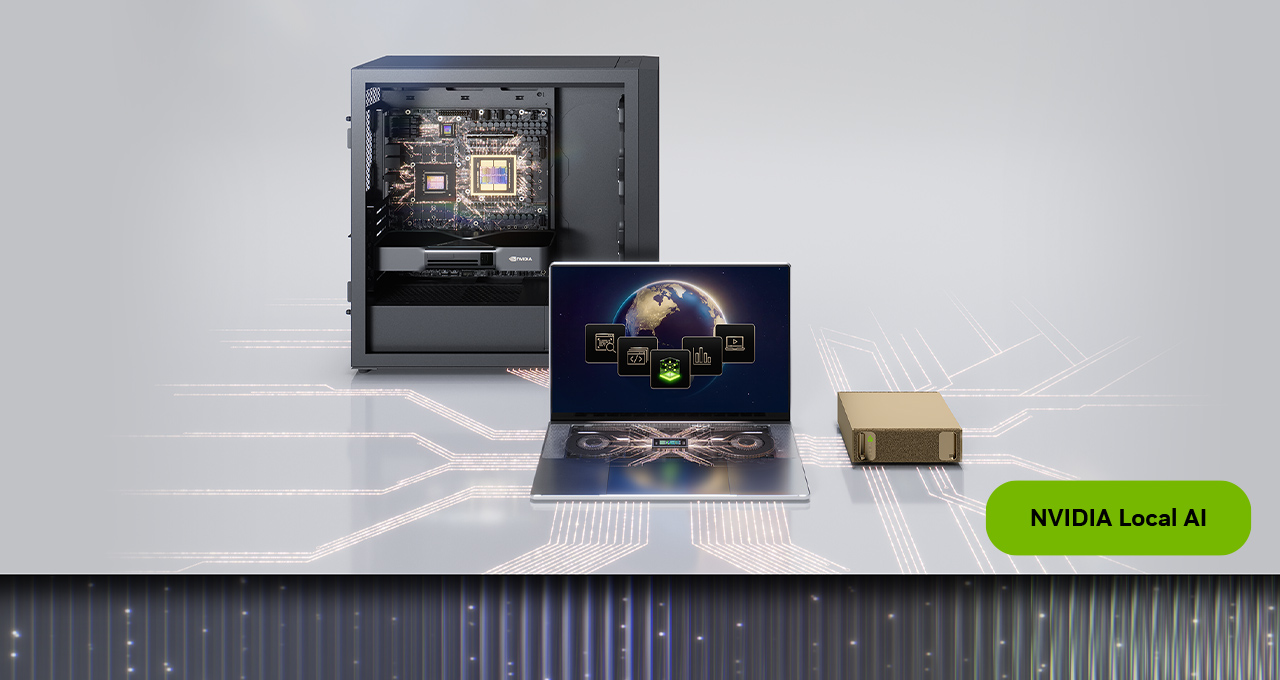
NVIDIA used GTC Berlin to spotlight a lineup of local AI hardware aimed at users who want AI processing closer to where data is created and decisions are made. The portfolio includes RTX Spark for personal agents on Windows PCs, DGX Spark for developers building and scaling Linux applications, and DGX Station for enterprise teams running frontier workloads. Together, the products show NVIDIA's effort to serve AI workloads outside traditional cloud data centers. The appeal of local AI is straightforward. Running models on owned or controlled hardware can improve privacy because sensitive data does not have to leave a device or facility. It can reduce latency for interactive agents and developer tools that cannot wait on a round trip to the cloud. It can also change the cost profile for teams with predictable workloads or strict infrastructure requirements. For personal agents on Windows PCs, local processing may make always-available assistance more responsive and more private. For developers, DGX Spark promises a compact way to build and scale Linux applications. For enterprises, DGX Station targets heavier frontier workloads that need more compute than a desktop but may not fit a cloud-only strategy. NVIDIA's challenge is to convince customers that local hardware complements rather than replaces cloud infrastructure. Most organizations will likely use a hybrid approach: local systems for privacy-sensitive, low-latency or development tasks, and cloud resources for bursts, large-scale training and collaboration. The European launch also signals that demand for controlled AI infrastructure is growing across the region, where data sovereignty and compliance are frequent concerns. The hardware lineup could widen access to AI development and give enterprises more deployment options. But success will depend on software support, total cost, power and space requirements, and whether the tools are easy enough for mainstream developers. NVIDIA is clearly betting that the next wave of AI will not live only in remote data centers.