Model Update2026-06-02 NVIDIA AI Blog
NVIDIA Cosmos 3 Helps Physical AI Think Before Acting
NVIDIA has introduced Cosmos 3, an open omni-model designed to give physical AI systems the ability to reason and plan before taking action. This foundation model represents a significant advancement in the field of embodied AI, where machines must interact with the physical world safely and efficiently.
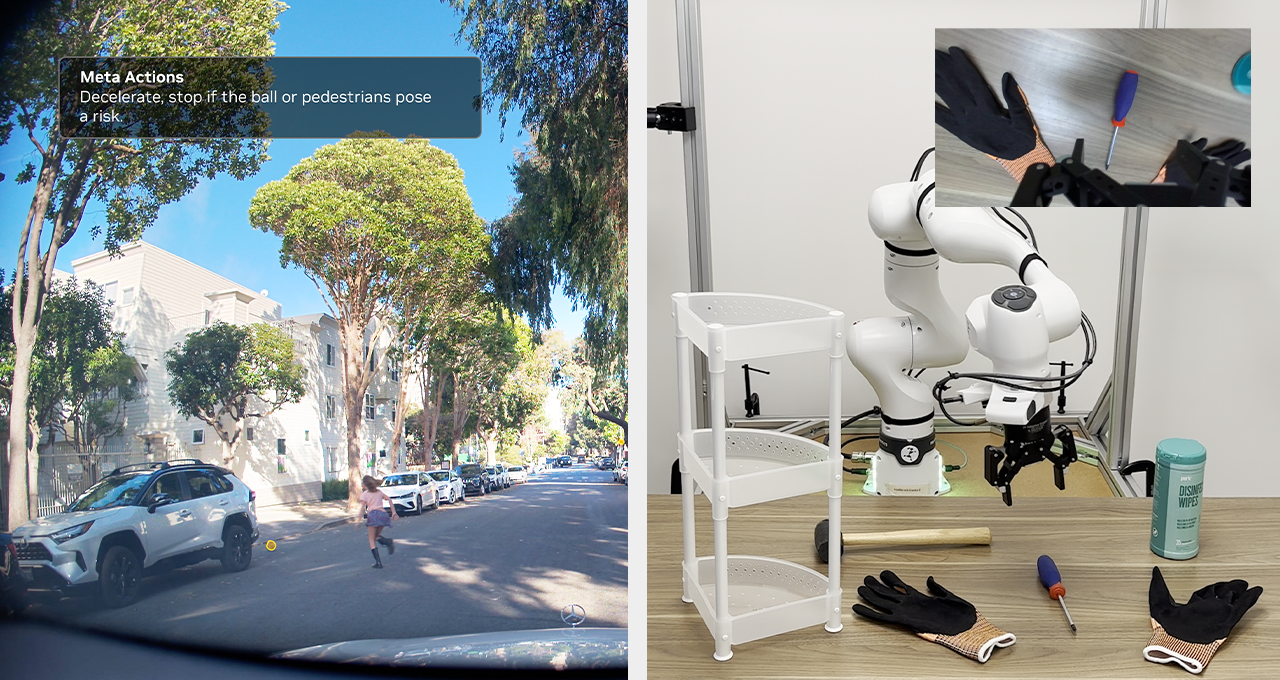
Unlike traditional AI models that react to inputs, Cosmos 3 enables physical AI systems to think ahead. Before a robot moves its arm, drives a vehicle, or manipulates an object, it can simulate the consequences of its actions and choose the safest, most efficient path. This "think before acting" capability is crucial for applications where mistakes can be costly or dangerous.
The model is designed as an "omni-model," meaning it can handle multiple types of sensory input and output modalities. It processes visual data, spatial information, and task instructions to create a comprehensive understanding of the environment and the desired outcome. This allows physical AI systems to operate in complex, unstructured environments with greater reliability.
One of the key breakthroughs with Cosmos 3 is its ability to bridge the gap between simulation and the real world. The model can be trained in simulated environments where it can explore millions of scenarios safely, then transfer that knowledge to physical robots. This simulation-to-real transfer is essential for developing robust autonomous systems that can handle the unpredictability of the real world.
Safety is a primary focus of Cosmos 3. By planning actions in advance and considering multiple possible outcomes, the system can avoid collisions, prevent damage to equipment, and ensure that its movements are safe for nearby humans. This makes it suitable for applications in manufacturing, logistics, healthcare, and autonomous vehicles.
NVIDIA is releasing Cosmos 3 as an open model, allowing researchers and developers worldwide to build upon this foundation. This open approach is expected to accelerate innovation in physical AI, leading to safer, more capable robots and autonomous systems that can work alongside humans in a wide range of environments.