AI Healthcare2026-10-09 NVIDIA AI Blog
AI Helps Close Breast Cancer Care Gaps
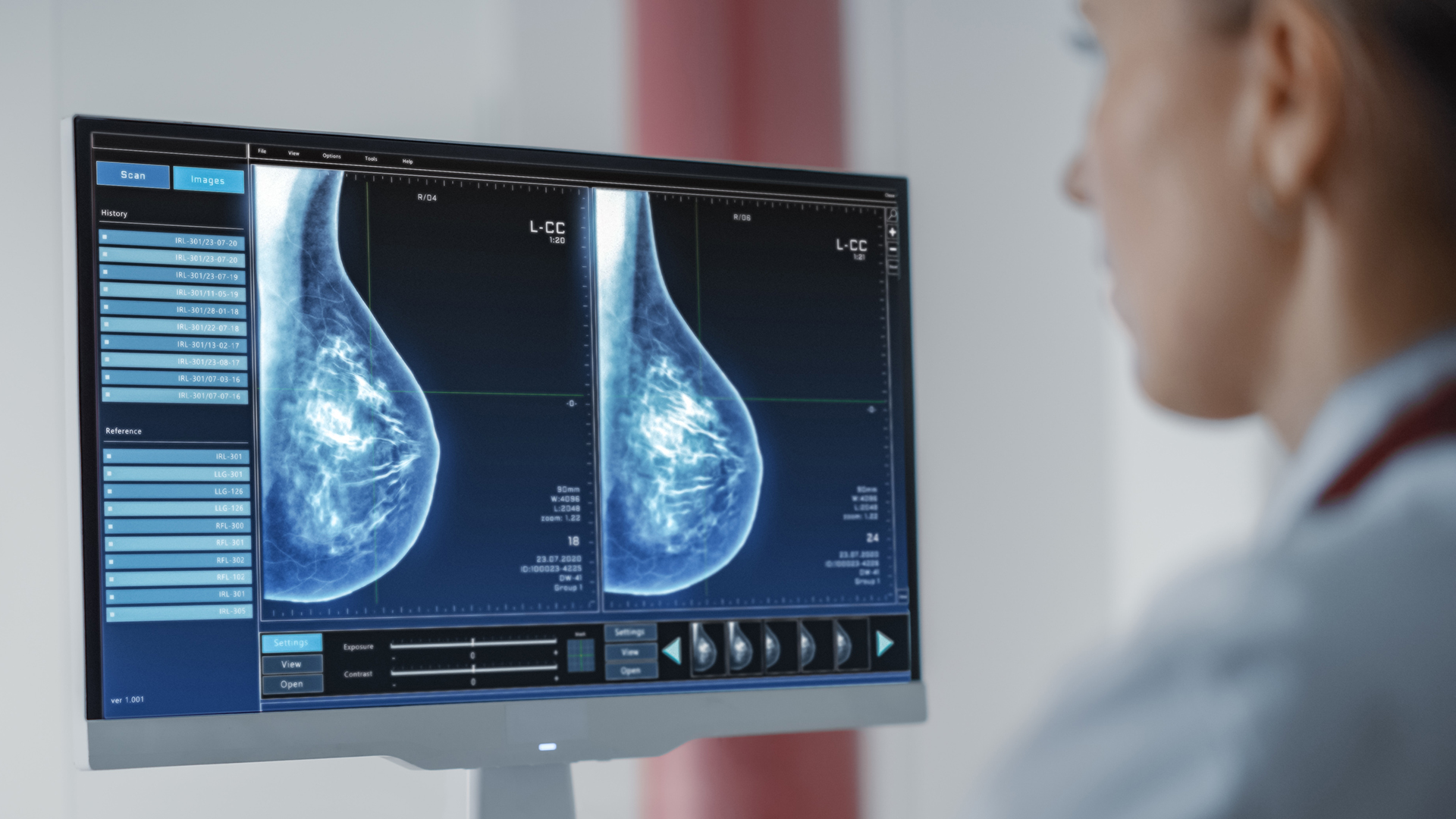
NVIDIA is highlighting startups that use AI to close deadly gaps in breast cancer care, from screening through treatment planning. The problem is well documented: many women over 40 skip recommended annual mammograms, radiologists face growing workloads, and diagnostic tests that guide treatment can produce inconsistent results. Those gaps can delay detection, lead to missed diagnoses, and create unequal outcomes for patients. AI tools aim to support clinicians rather than replace them. Startups are developing systems that analyze mammograms and other scans, flag suspicious findings, and help prioritize cases so that urgent patients are reviewed sooner. Other tools combine imaging with clinical data to support more personalized treatment planning. By triaging large volumes of scans, AI can help overburdened radiology teams focus attention where it is needed most. It may also reduce variability in interpreting tests that influence therapy choices. The broader promise is a more connected breast cancer pathway. AI could help identify women who are overdue for screening, make follow-up reminders smarter, and ensure that abnormalities are not lost between appointments. In treatment planning, algorithms might surface patterns that are difficult for humans to catch across thousands of cases. NVIDIA's role is to provide the accelerated computing that makes these models practical, especially for medical imaging workloads that require fast processing and strict privacy controls. Realizing that promise will require careful validation. AI models must be tested across diverse populations, integrated into clinical workflows, and monitored for bias or drift. Regulators, hospitals, and developers will need to prove that these tools improve outcomes without adding new risks. If done responsibly, AI could help close some of the most persistent gaps in breast cancer care and make timely, high-quality treatment more accessible.