AI Research2026-09-23 WIRED AI
Rat-brain AI models head to Amazon Web Services
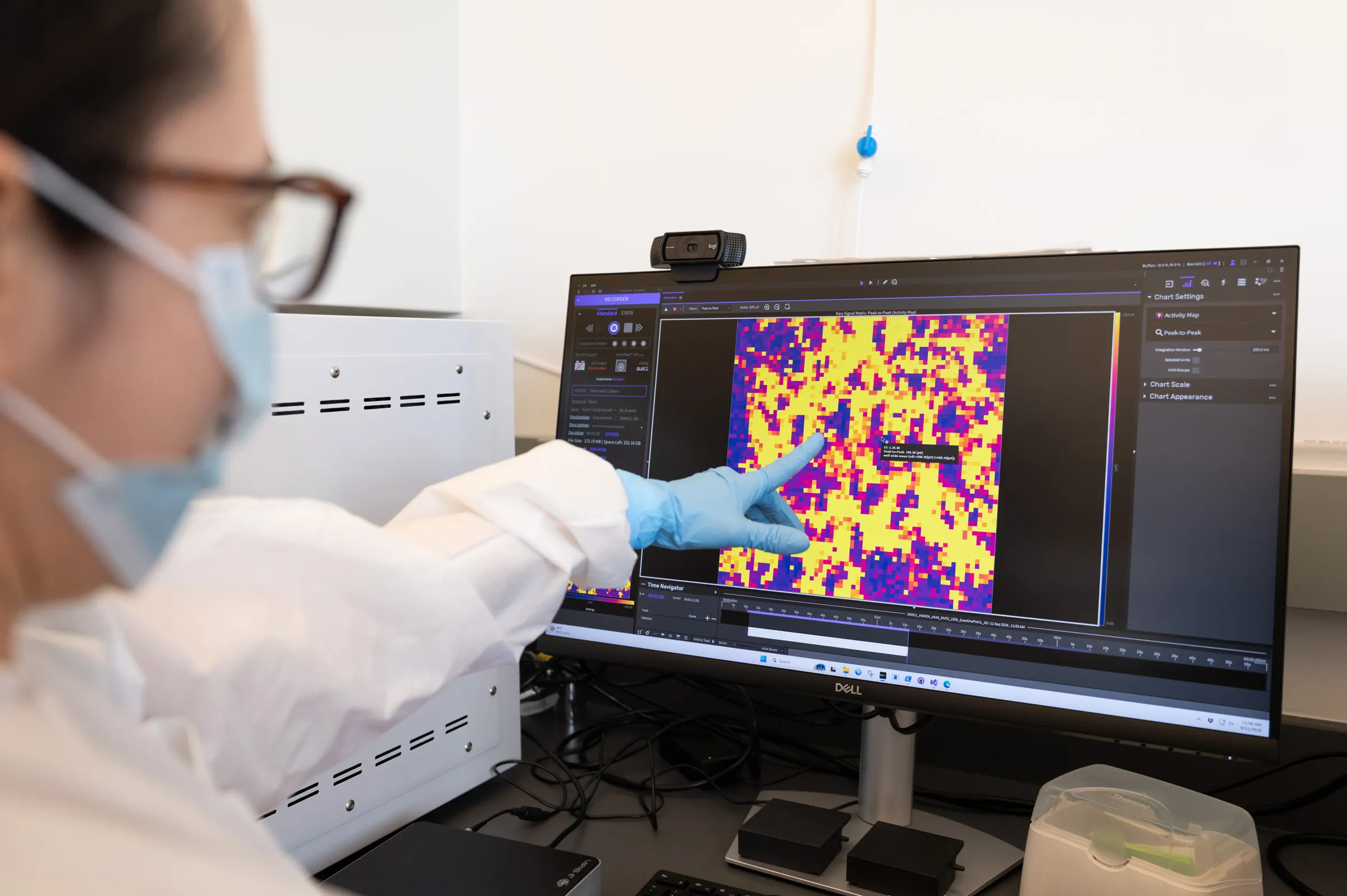
The Biological Computing Company is bringing its rat-brain-based AI tools to Amazon Web Services, a move that could give an unusual research field much wider reach. The startup builds AI models from living rat brain cells, growing biological neural networks in the lab and connecting them to conventional computing hardware. The goal is not to replace silicon processors entirely, but to explore where biology might do better. Proponents argue that biological neural networks can learn more efficiently than digital systems for certain tasks and may consume far less energy. That efficiency matters as conventional AI models grow larger and demand massive amounts of electricity, memory, and specialized chips. Biological computing has long been a niche area, sitting somewhere between neuroscience, synthetic biology, and machine learning. Hosting the company's tools on AWS would mark a significant step toward mainstream access. Instead of requiring every researcher to build and maintain living neural cultures, cloud users could potentially experiment with biological AI components through familiar infrastructure. That could accelerate research, attract new collaborators, and make the technology easier to evaluate. But the move also raises scientific and ethical questions. Biological systems are unpredictable, difficult to standardize, and require careful handling. Researchers will need to understand how reliably lab-grown neurons can perform computation, how long they remain useful, and how their behavior can be controlled or interpreted. There are also concerns about oversight, especially as living tissue becomes part of computational workflows. Even with those challenges, the AWS collaboration signals growing interest in alternatives to purely digital AI. If biological computing can deliver on even a fraction of its promise, it could complement conventional hardware for niche applications such as low-power learning, adaptive control, or pattern recognition. For now, the field remains experimental. But putting rat-brain AI models on a major cloud platform suggests that what was once fringe is being taken seriously by investors, researchers, and infrastructure providers alike. The next step will be proving that biology can be not just novel, but useful, scalable, and responsible.