AI Infrastructure2026-11-08 NVIDIA AI Blog
NVIDIA tackles AI memory pressure with codesign
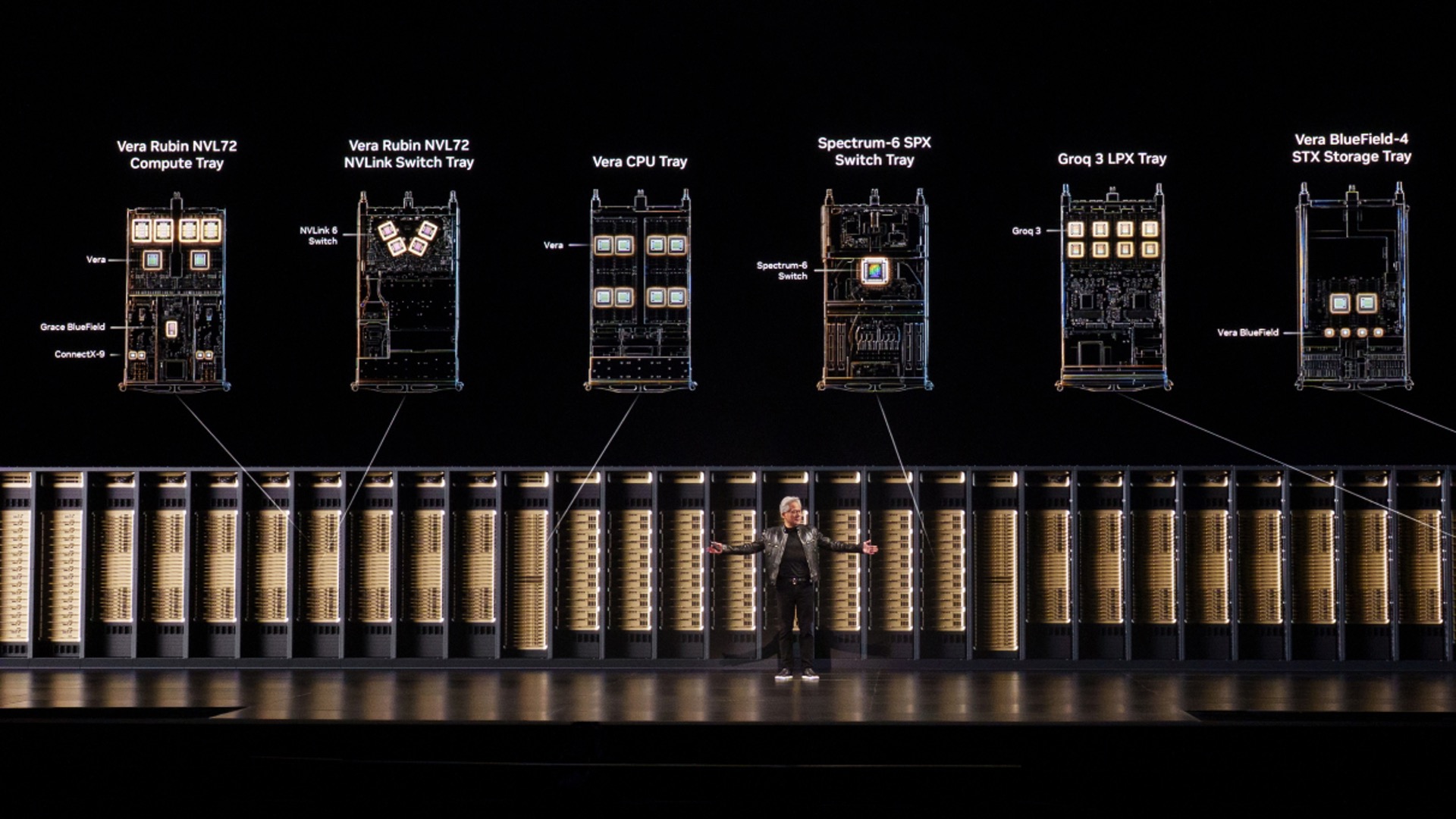
As models grow larger, context windows expand, and agentic applications become more common, GPU memory is under increasing pressure. NVIDIA says supply is tightening and prices are rising, a trend it expects to continue in the near term. Its response is a full-stack codesign approach that spans memory technology adoption, hardware, and software. The goal is to get more performance from every byte of memory rather than treating capacity as the only answer.
The company notes that it has been first to adopt several new memory standards and works closely with memory partners to bring them to market quickly. That matters because memory bandwidth and capacity can shape what models can run, how much context they can hold, and how many workloads a system can support. In an AI factory, memory is not a side detail. It affects utilization, throughput, and the cost of serving models at scale.
NVIDIA's argument is that hardware and software must be designed together so memory can be used more efficiently. That can include choosing the right memory technology, optimizing how data moves through the system, and ensuring software can take advantage of new memory capabilities without waiting for a separate ecosystem to mature. The pressure is especially acute for agentic applications, which may keep long histories, call tools, and move between tasks. Each step can add memory demand.
By positioning codesign as a way to stretch scarce memory resources, NVIDIA is trying to address both a technical constraint and a market concern. Customers want more capable AI systems, but they also need predictable economics. The full-stack approach is meant to show that gains can come from coordination across the platform, not only from adding more memory chips. That message will matter as buyers weigh performance against supply and cost.