AI Policy2026-11-05 WIRED AI
Voters Reject Data Centers Across 2026 Ballot
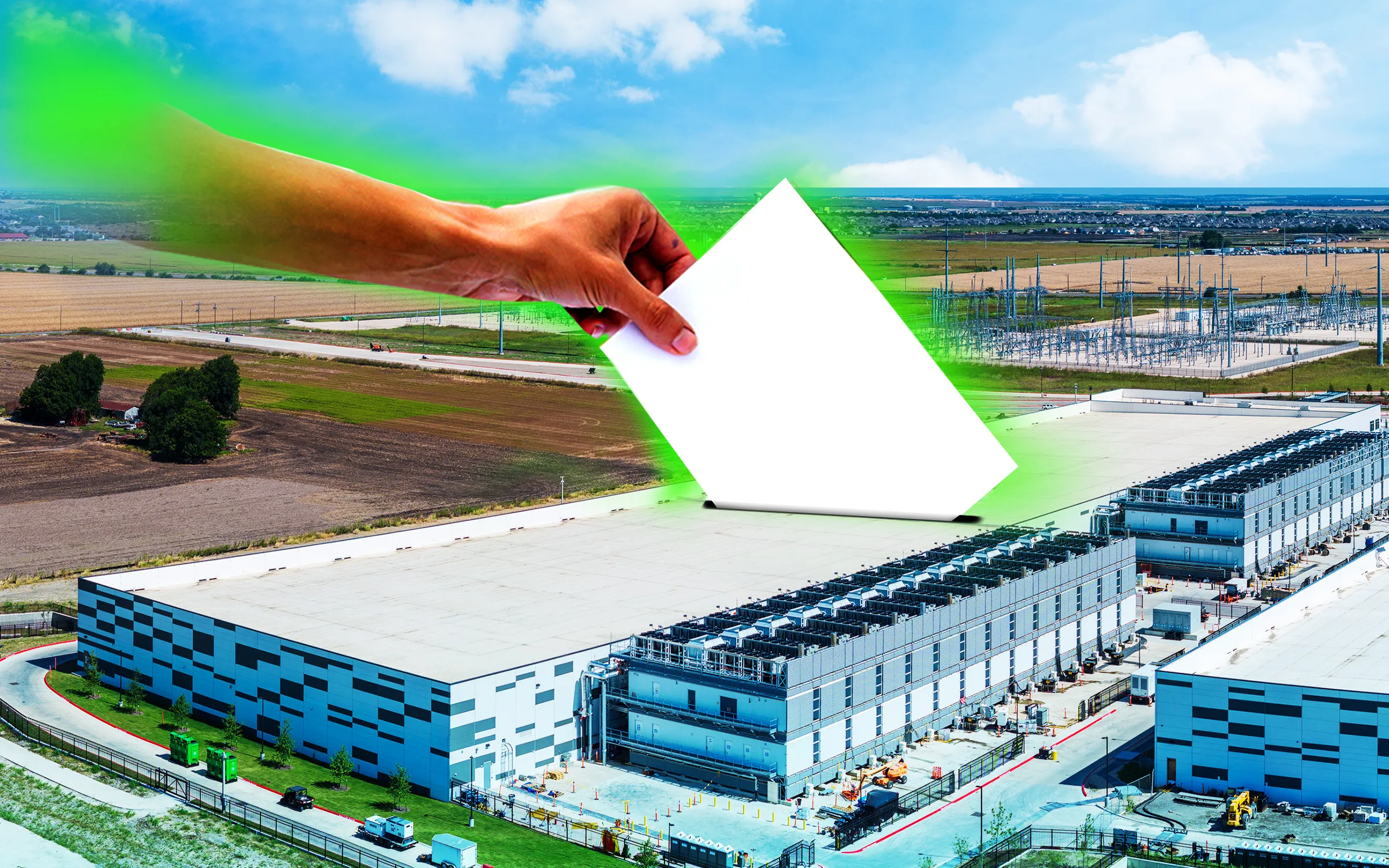
Data centers and the politicians who championed them had a difficult showing in the 2026 U.S. midterms, according to reporting from WIRED. The pattern appeared in high-profile Senate contests as well as in local rezoning fights and ballot questions, where projects backed by data center developers often lost. The outcomes point to rising public anxiety about the infrastructure behind artificial intelligence, especially its demand for electricity and water, its noise, and its effect on nearby communities. Candidates who framed data center growth as an economic win ran into resistance from voters who focused on practical burdens. Local measures that sought to restrict, delay, or reject new facilities generally fared well, suggesting that skepticism is no longer limited to a handful of activist groups. Residents are asking who bears the costs of massive computing campuses and who captures the benefits. For developers, the results may force a rethink. Site selection can no longer rely only on land prices and power availability; community engagement and local politics will matter more. Companies may need to address concerns earlier, offer clearer information about resource use, and negotiate stronger local agreements. The 2026 elections show that the AI boom has a local political dimension, and that voters are willing to say no when they believe the price is too high.