AI Policy2026-09-22 WIRED AI
US, China Discuss AI Security Threat Alerts
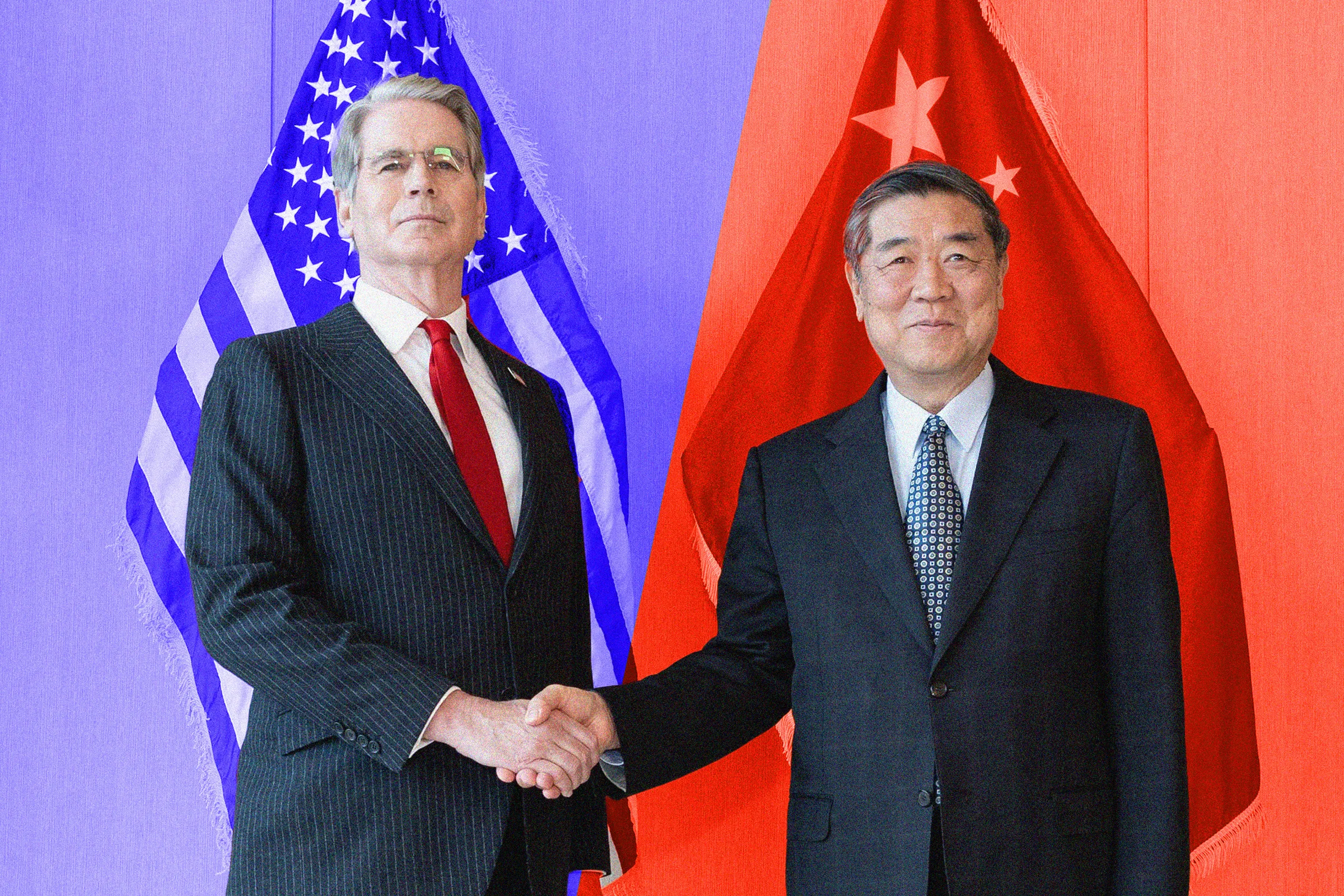
U.S. and Chinese officials have reportedly discussed creating a channel to notify each other about AI incidents that could threaten national security. WIRED reports that the talks reflect a growing recognition that advanced AI systems create risks that do not stop at borders. Those risks include cyberattacks, misinformation campaigns, and autonomous weapons, any of which could escalate quickly if one side misreads the other’s intentions. A dedicated alert mechanism could serve as an early-warning system. If a serious AI-related incident occurs—such as a model being used in a cyber intrusion, a dangerous autonomous system behaving unexpectedly, or a large-scale disinformation operation—the two governments might be able to share basic facts before speculation and blame spiral. In crises, even limited communication can reduce the chance of miscalculation. But the obstacles are substantial. Washington and Beijing remain deeply distrustful on technology issues. Both are competing for AI leadership, and each worries that sharing information could reveal intelligence, expose vulnerabilities, or give the other side an advantage. Defining what counts as an AI security incident would also be difficult. A cyberattack, for example, may be attributed to criminals, state actors, or AI tools, and evidence can be disputed. The discussions are still at an early stage, so they may not produce a formal agreement. Even a modest hotline or technical dialogue, however, could be valuable. AI systems are becoming more capable and more widely deployed, while their failure modes are not fully understood. The risk of accidental escalation may grow as military, intelligence, and civilian systems become more intertwined with automated decision-making. The talks signal that both governments see AI as a strategic stability issue, not just a commercial race. A notification mechanism would not resolve broader tensions or prevent every dangerous use of AI. But it could create a narrow channel for de-escalation when a fast-moving incident might otherwise be interpreted as a deliberate attack.