AI Application2026-08-16 WIRED AI
The Next Big Influencer Is This 4-Foot-Tall Robot
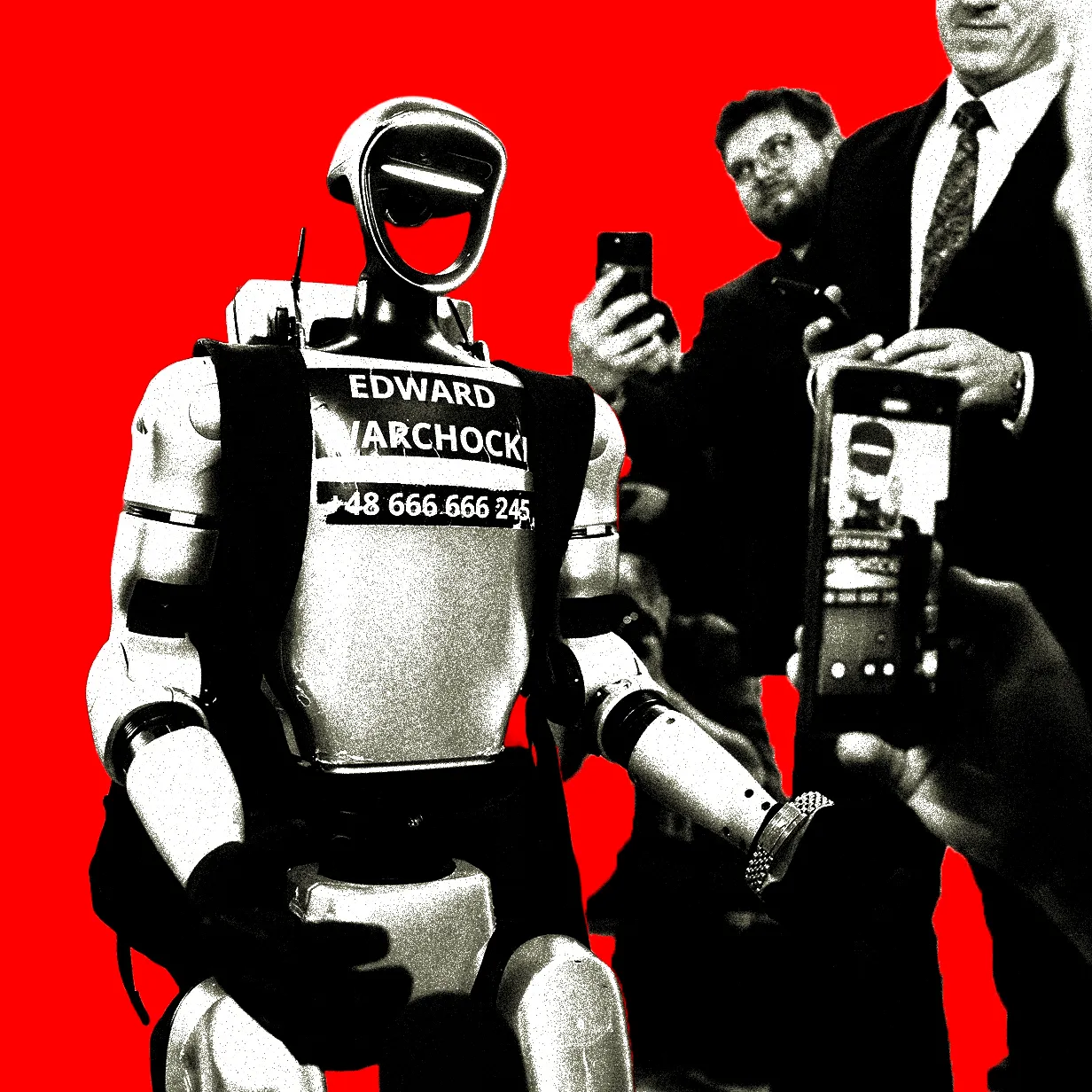
The Unitree G1, a four-foot-tall humanoid robot from China, has taken the internet by storm, becoming an unlikely influencer. Its relatively low price point and surprisingly charismatic movements have made it a favorite in viral videos, where it dances, waves, and interacts with crowds in ways that feel almost alive. For many, the G1 represents the playful side of robotics—a machine that can charm an audience as easily as it can walk.
However, beneath the entertainment value lies a serious question: can the G1 hold down a real job? While its viral fame has brought attention to Unitree, the robot's practical applications in the workforce remain uncertain. The G1 is not yet a reliable warehouse worker, a security guard, or a service assistant. Its movements, while impressive, are often pre-programmed or teleoperated, and its ability to handle unstructured tasks is limited.
The gap between viral appeal and real-world utility is a familiar story in robotics. Hype often outpaces capability, and the G1 is no exception. It excels at capturing attention, but attention does not equal productivity. For businesses considering automation, the G1's current limitations mean it is more of a novelty than a solution. It can draw a crowd at a trade show, but it cannot yet manage a shift at a factory.
That said, the G1's popularity is not without value. It familiarizes the public with humanoid robots, normalizing their presence and sparking conversations about their future role. It also pushes competitors to innovate, driving down costs and improving functionality. The G1 may not be ready for the workforce, but it is a stepping stone. Its viral success proves that robots can engage people emotionally, a trait that will be essential when they eventually take on more serious responsibilities.