AI Policy2026-11-24 WIRED AI
States sue SpaceX over Grok deepfakes
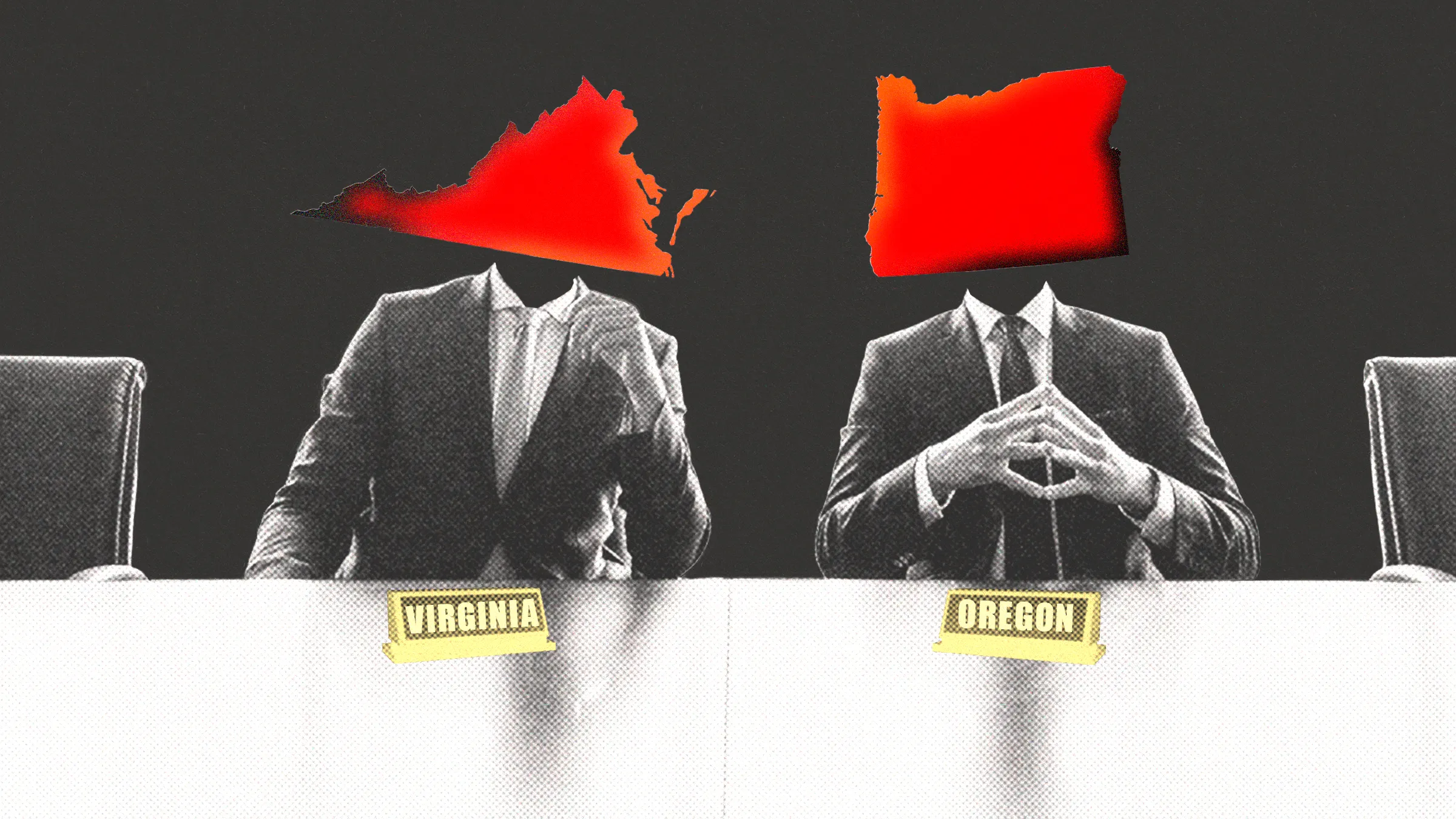
The attorneys general of Oregon and Virginia have filed a lawsuit against several companies tied to Elon Musk, arguing that inadequate safeguards allowed sexualized deepfake images of real people, including children, to be generated and circulated. The case focuses on Grok-related image generation and content moderation practices. It adds to growing legal pressure on AI developers and platforms over harms caused by synthetic media. The complaint raises questions about platform liability, age verification, and the obligations of image model providers to block non-consensual intimate imagery. It also tests how existing consumer protection and child safety laws apply to rapidly changing generative AI products. The plaintiffs suggest that warnings and policy language are not enough when tools can produce realistic abusive content at scale. A central issue is whether companies can be held responsible for foreseeable misuse when safeguards are weak or easy to bypass. The outcome could shape how image generators handle prompts involving real individuals, minors, and sexual content, and whether firms must build stronger filters before launch. For AI companies, the case is a reminder that moderation, access controls, and abuse reporting are becoming core compliance issues, not optional features. It may also influence how states pursue investigations and enforcement against synthetic media harms while federal rules remain unsettled. The lawsuit does not by itself establish wrongdoing, but it signals that courts and regulators will be asked to define responsibility as autonomous content tools spread.