AI Infrastructure2026-06-09 NVIDIA AI Blog
NVIDIA and LG Group Build AI Factory for Physical AI
NVIDIA and LG Group have announced a major collaboration to build an AI factory designed specifically for physical AI applications. This facility will provide LG Group with accelerated computing infrastructure to train, simulate, and validate AI models for real-world, physical systems.
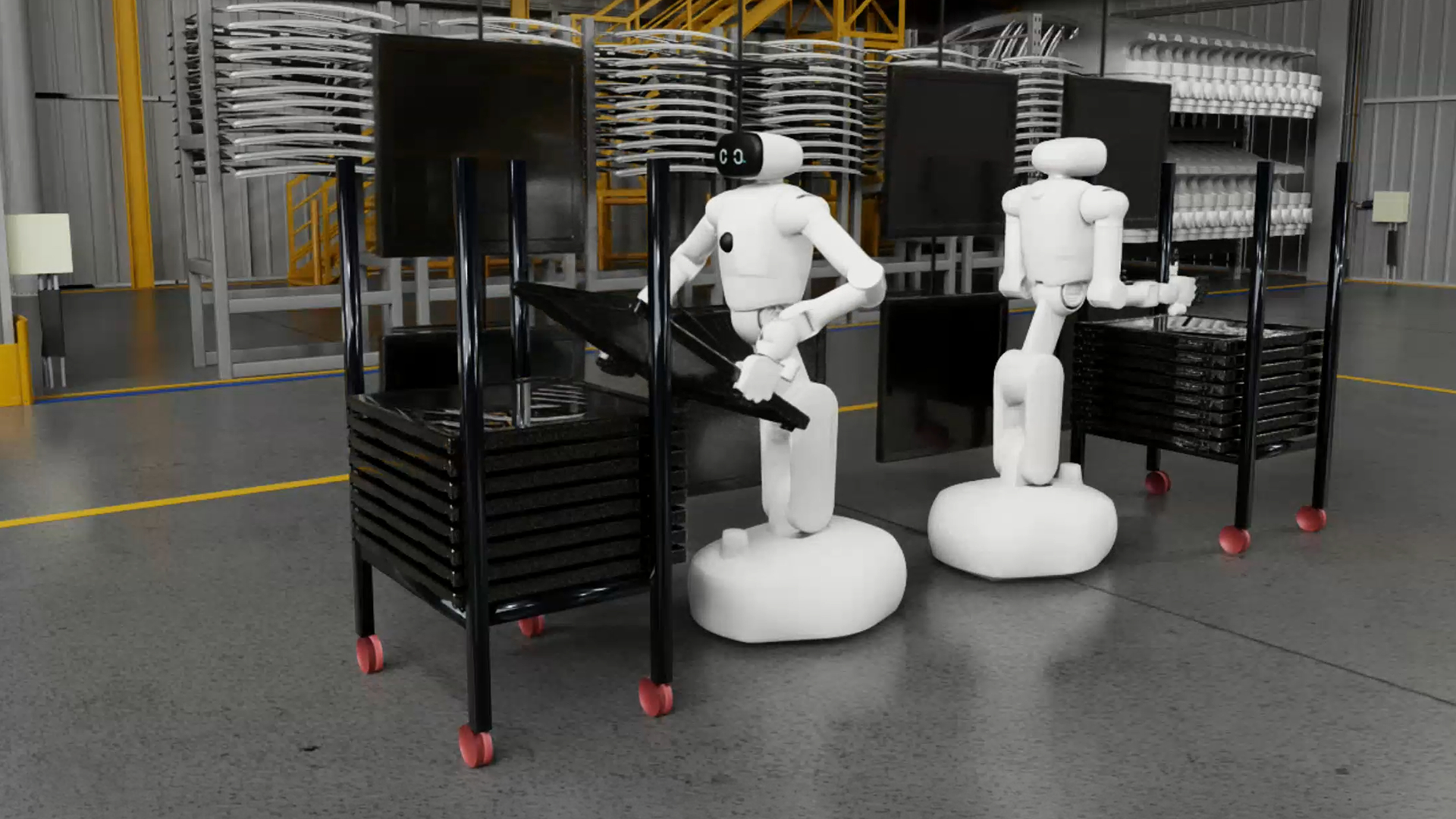
The AI factory will support LG's next wave of AI-driven businesses, spanning robotics, autonomous driving, data center technologies, and GPU cloud services. By combining NVIDIA's expertise in accelerated computing with LG's industrial capabilities, the partnership aims to accelerate the development of AI systems that can perceive, reason, and act in the physical world.
Physical AI represents a significant leap beyond traditional generative AI. While generative AI creates content, physical AI powers machines that interact with the environment—robots that navigate warehouses, autonomous vehicles that drive on roads, and manufacturing systems that adapt in real-time.
The AI factory will provide the massive compute power needed for training large-scale models, running high-fidelity simulations, and validating safety-critical systems. This is particularly important for applications like autonomous driving, where millions of simulated miles must be run before a vehicle can be deployed safely.
For LG, this investment is strategic. The company is positioning itself as a leader in AI-driven industries, from smart home robotics to electric vehicle components. The AI factory will serve as a central hub where different business units can access shared computing resources, reducing duplication and accelerating time-to-market.
NVIDIA's role extends to providing the full software stack, including the Omniverse platform for simulation and the CUDA ecosystem for model training. This allows LG to build and test AI models in virtual environments before deploying them in physical hardware.
The partnership signals a growing trend where industrial conglomerates are investing in dedicated AI infrastructure rather than relying solely on public cloud services. For physical AI, where latency, safety, and real-time control are critical, having a dedicated AI factory can be a competitive advantage.