AI Infrastructure2026-10-10 NVIDIA AI Blog
How NVIDIA AI Factories Maximize Return on Investment
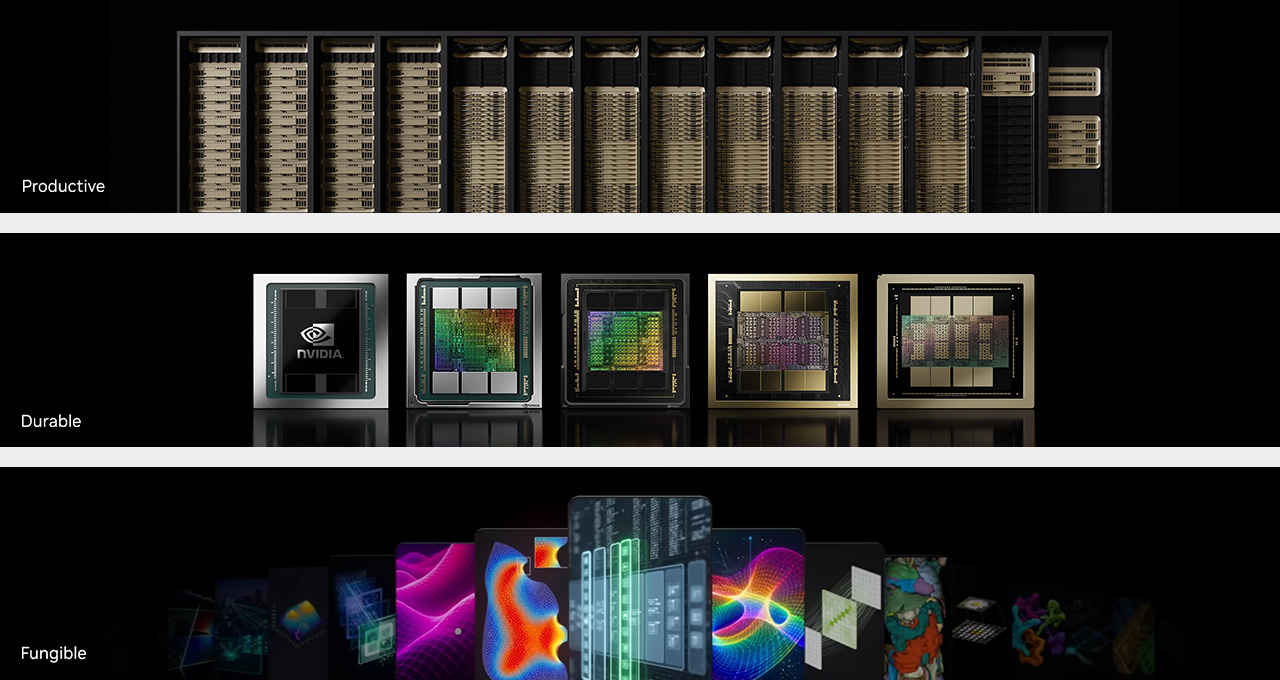
NVIDIA is pushing a simple but demanding idea: AI factories are industrial assets, not just data centers. Because they are built by the megawatt, and each megawatt can cost around $60 million, operators cannot treat them as experimental projects. They need confidence that the infrastructure will generate returns at a scale that justifies the capital. NVIDIA outlines three factors that shape those returns: earning capacity, durability, and fungibility.
Earning capacity is the most direct. It asks what the factory can produce and sell. In practice, that means matching compute supply to revenue-generating workloads, whether those are model training runs, inference services, simulation, or specialized enterprise AI products. A factory that can only serve one narrow customer or workload may struggle to cover its costs. A factory that can serve many buyers has a broader revenue base.
Durability matters because the investment horizon is long. AI hardware, software, and demand patterns evolve quickly. Operators need infrastructure that remains reliable and useful over time, not just at launch. Durability includes hardware resilience, efficient cooling and power management, software compatibility, and the ability to keep utilization high as models and frameworks change.
Fungibility is about flexibility. Demand for AI workloads can shift from training to inference, from one model family to another, or from one industry to another. A fungible AI factory can reconfigure resources as market needs change. That reduces the risk of stranded capacity and helps operators capture new opportunities without rebuilding from scratch.
Together, these principles form a practical ROI framework. Earning capacity drives revenue potential. Durability protects the asset over years of rapid change. Fungibility keeps the asset adaptable. For operators considering megawatt-scale commitments, the question is not simply whether AI demand is growing. It is whether a specific factory can sell, endure, and pivot. NVIDIA argues that those that can will be best positioned to turn massive capital outlays into sustainable returns.