AI Infrastructure2026-06-02 IEEE Spectrum AI
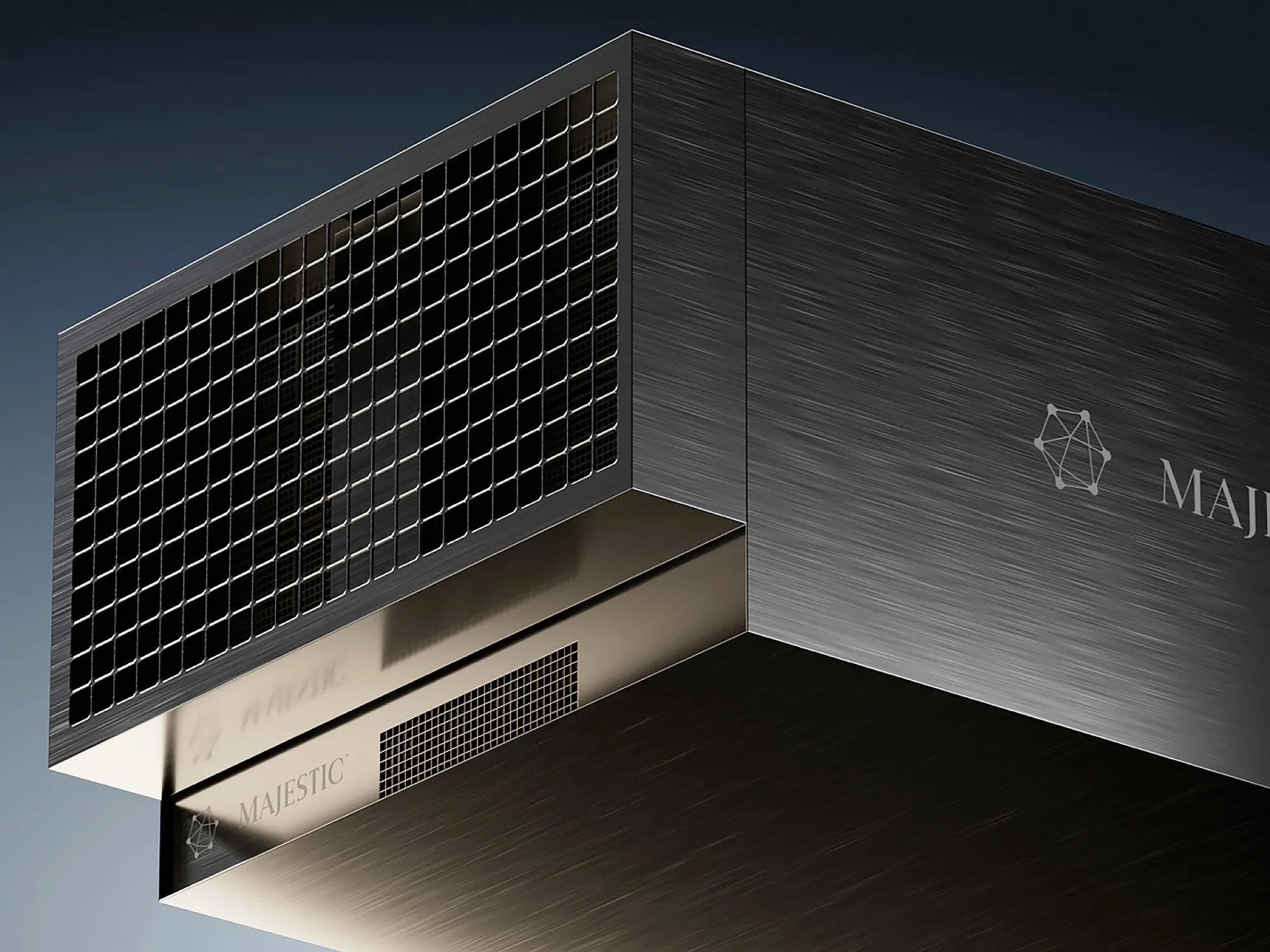
New Server Aims to Break AI's 'Memory Wall'
A new server design is aiming to break through the so-called 'memory wall' that has long constrained AI performance. The memory wall refers to the bottleneck where the speed of data transfer between memory and processors limits how fast large language models can generate tokens, slowing down both inference and training.
This innovative server architecture improves data read rates by rethinking how memory is organized and accessed. Instead of relying on traditional memory hierarchies, the new design uses a combination of high-bandwidth memory and novel interconnects to feed data to AI accelerators more efficiently.
Early benchmarks suggest that the server can achieve up to 3x faster token generation for large models compared to current state-of-the-art systems. This could have profound implications for real-time AI applications such as chatbots, code assistants, and autonomous systems that require low-latency responses.
The company behind the design, which has not yet been named publicly, claims that the solution is compatible with existing AI hardware from NVIDIA, AMD, and Intel. This means data centers could upgrade their memory subsystems without replacing entire server fleets.
Industry experts have long identified the memory wall as one of the most critical challenges facing AI scaling. While compute power has grown exponentially, memory bandwidth has lagged behind, creating a growing gap that limits model performance.
If this new server design lives up to its promise, it could unlock significant performance gains for AI workloads without requiring massive increases in energy consumption or hardware costs. For enterprises running large-scale AI deployments, that could translate into faster model iterations and lower operating expenses.
The announcement has generated considerable excitement in the AI hardware community, with many eager to see real-world validation of the claimed improvements.