AI Infrastructure2026-07-27 IEEE Spectrum AI
NASA Puts Google's Gemma LLM in Orbit
NASA's Jet Propulsion Laboratory has successfully sent Google's Gemma large language model into orbit, marking a significant milestone in the exploration of AI applications in space. The experiment aims to test the viability of running LLMs directly on satellites and other orbital platforms.
The project involved deploying a compact version of Google's Gemma model on a small satellite. Unlike traditional AI systems that rely on sending data back to Earth for processing, this experiment tests whether LLMs can perform real-time analysis in space. This capability could revolutionize how satellites handle data, reducing the need for constant ground communication and enabling faster decision-making.
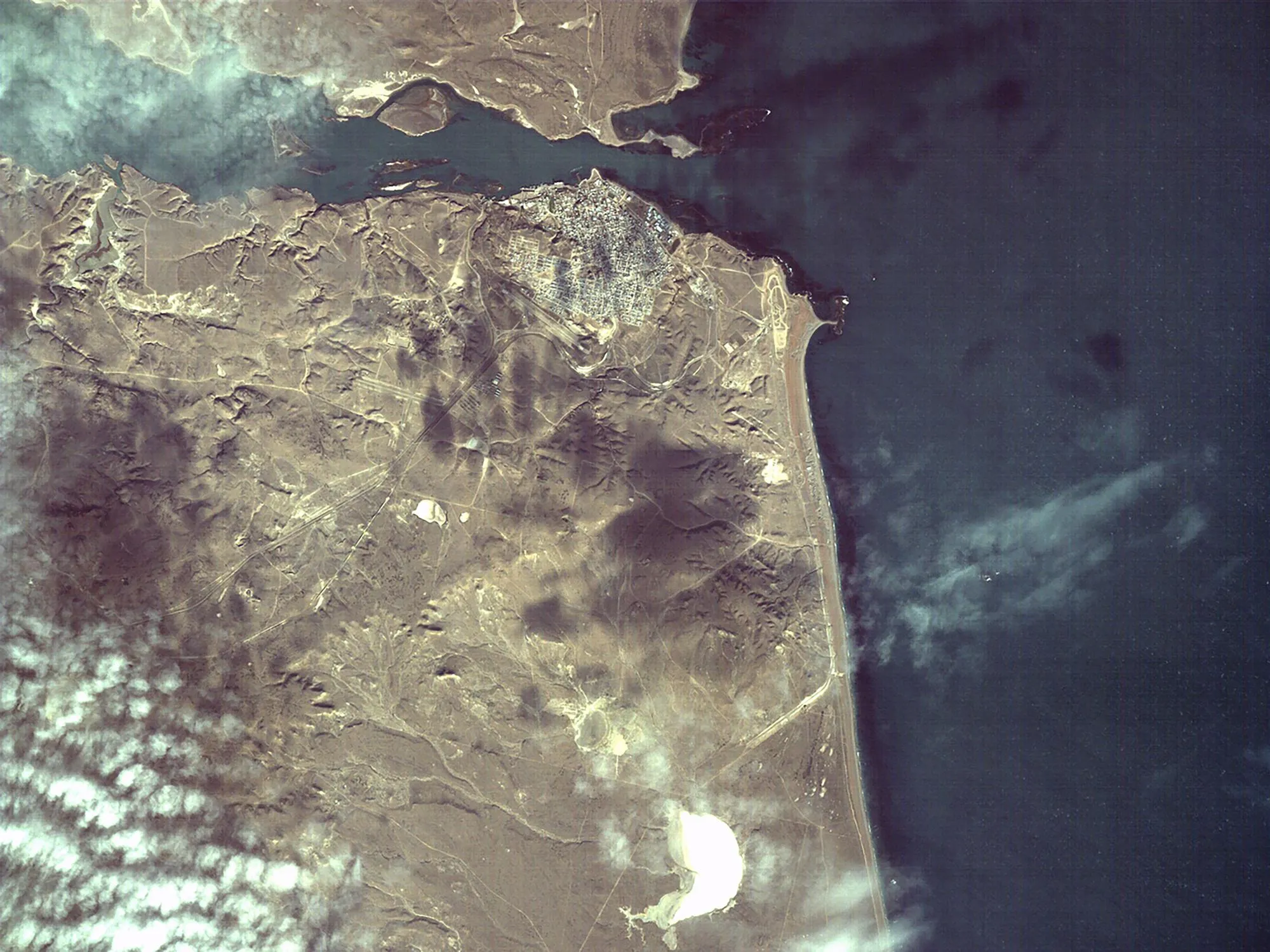
One of the primary use cases being explored is satellite data analysis. Satellites generate enormous amounts of imagery and sensor data, but transmitting all of it to Earth is bandwidth-intensive and slow. By running an LLM onboard, the satellite can preprocess data, identify relevant patterns, and only send back the most important information. This could dramatically improve the efficiency of Earth observation missions.
The choice of Gemma is notable because it is a smaller, more efficient model compared to larger counterparts like GPT-4. In space, where computational resources and power are limited, smaller models are more practical. Gemma's architecture allows it to run on the constrained hardware available in orbit while still providing useful language understanding and generation capabilities.
Initial results have been promising. The model successfully performed basic data classification tasks and generated summary reports from raw sensor data. NASA engineers are now testing more complex applications, including anomaly detection and autonomous navigation assistance.
This experiment opens the door to a future where AI-powered satellites can operate more independently, making real-time decisions without waiting for instructions from Earth. Applications could range from monitoring climate change to detecting natural disasters and even assisting with deep space exploration. For now, the success of Gemma in orbit proves that even small AI models can have a big impact beyond our planet.