AI Infrastructure2026-11-28 NVIDIA AI Blog
Lambda uses NVIDIA photonics for AI factory resilience
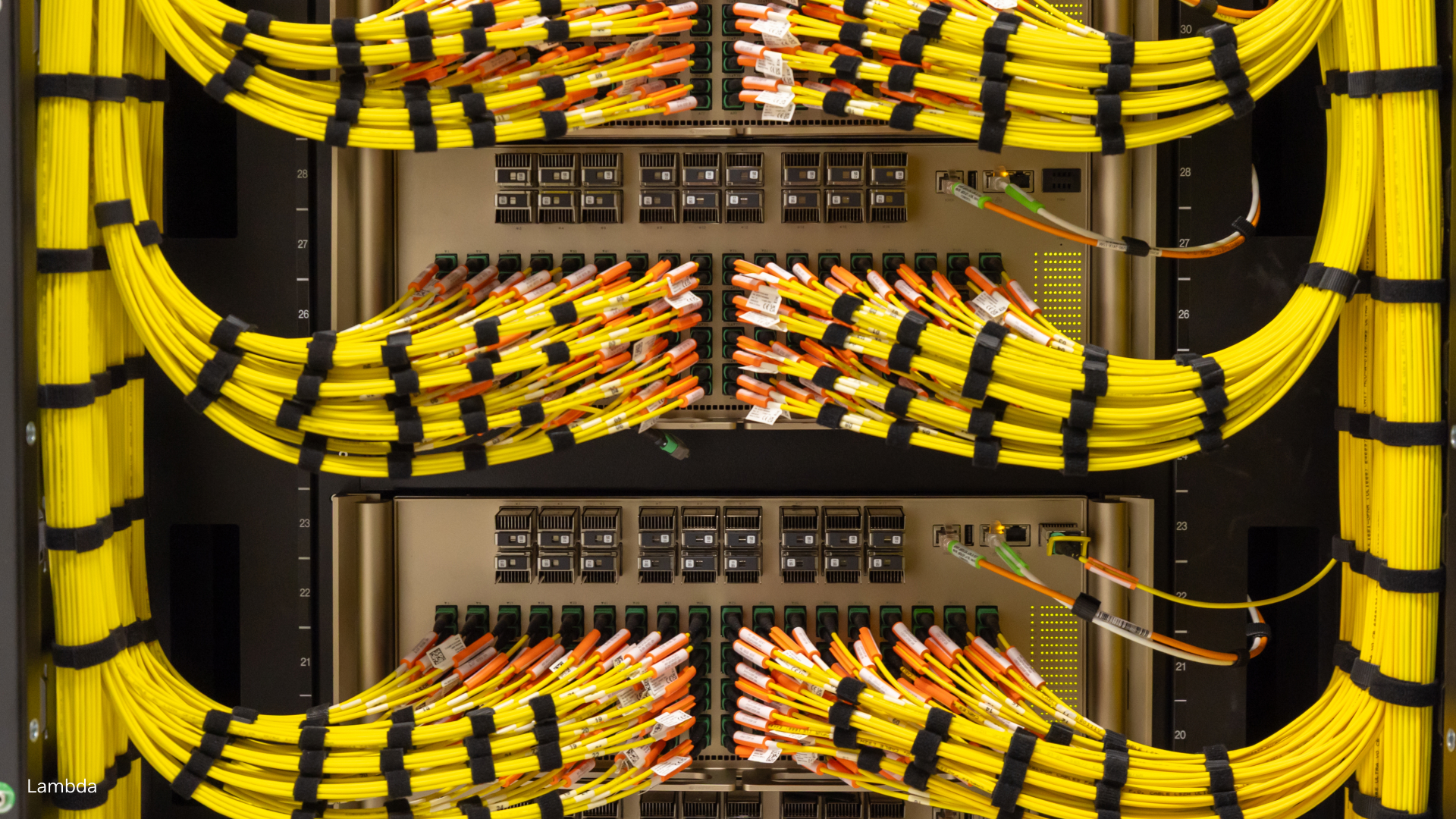
Lambda is adopting NVIDIA Photonics co-packaged optics switches to make its AI factories more resilient and efficient. The cloud provider is linking NVIDIA GB300 NVL72 systems through optical networking, a design intended to reduce power consumption and latency compared with conventional electrical switching. The move comes as AI clusters grow to thousands of GPUs, putting new pressure on the network that ties compute together. At that scale, networking can become a bottleneck for training reliability and performance. Large training jobs depend on frequent, high-bandwidth communication among GPUs. If switches and interconnects add latency, consume too much power, or introduce failures, the entire cluster can suffer. Lambda's use of co-packaged optics aims to address those issues by moving optical connections closer to the switching silicon, which can improve signal efficiency and reduce the electrical path. The deployment is notable because optical interconnects are moving from research and specialist deployments toward production AI infrastructure. As AI factories become larger and more power-constrained, operators are looking for networking designs that can keep utilization high without driving up energy costs. Co-packaged optics could help by delivering dense bandwidth with lower overhead, though operational maturity and serviceability will remain important. For Lambda, the goal is not just faster networking but a more dependable platform for customers running demanding AI workloads. Better resilience can mean fewer interruptions and more predictable performance. The broader lesson is that AI infrastructure competition is increasingly about the whole system, including compute, networking, cooling, and power, rather than GPUs alone. If optical switching proves reliable at scale, it could become a standard building block for next-generation AI clusters.