AI Infrastructure2026-04-30 WIRED AI
First Responders Say Waymos Are Getting Worse
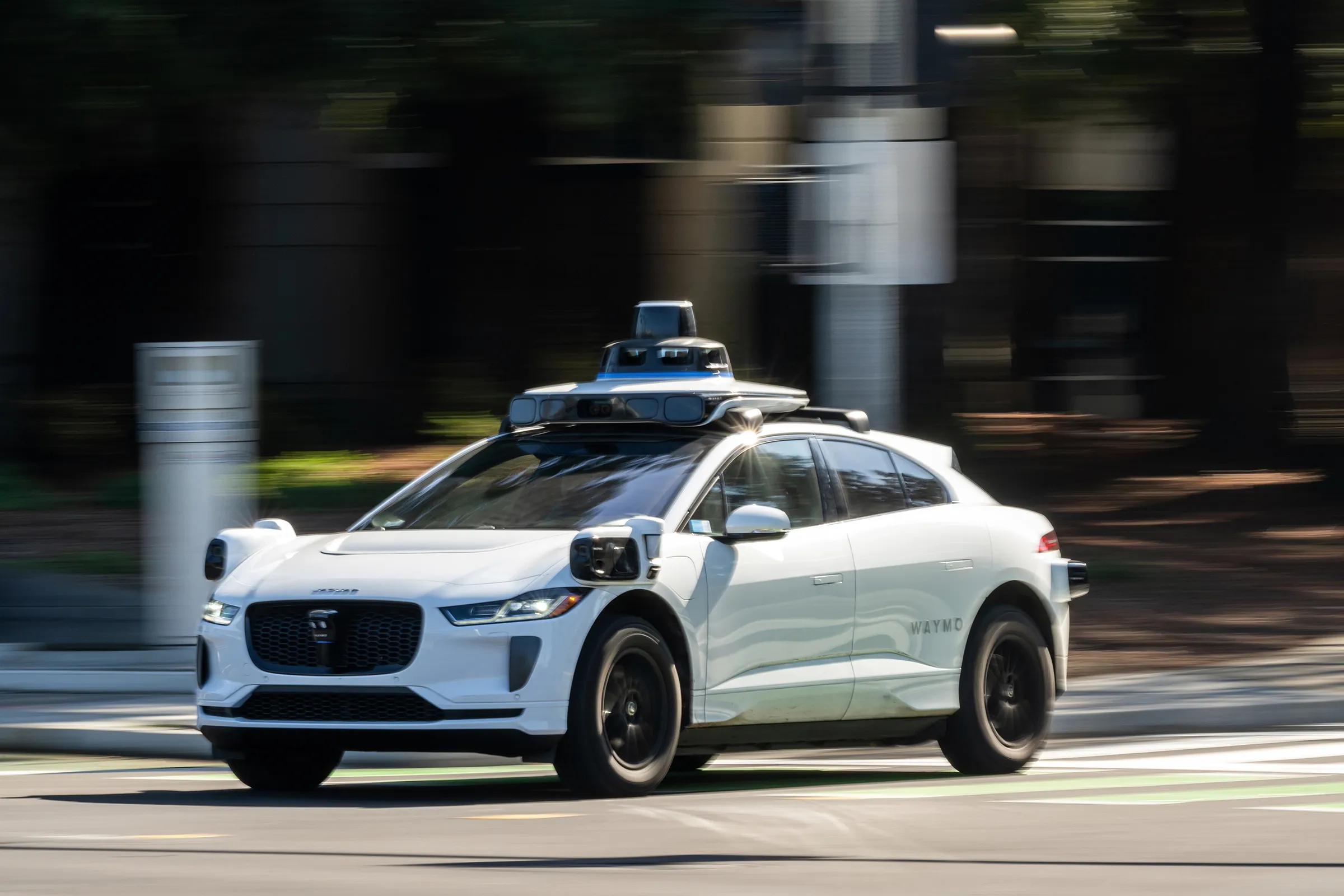
A growing chorus of emergency first responders is raising alarms about the performance of Waymo's autonomous vehicles, with some officials claiming the technology was deployed too quickly and in excessive numbers before it was ready for real-world conditions. A police official, speaking on condition of anonymity, stated that the vehicles are becoming increasingly problematic, exhibiting erratic behavior that poses safety risks to both passengers and other road users.
The concerns are not isolated. Multiple reports from fire departments, paramedics, and law enforcement agencies describe incidents where Waymo vehicles have failed to yield to emergency vehicles, stopped unexpectedly in intersections, or created obstacles during critical response situations. These issues have led to federal scrutiny, with the National Highway Traffic Safety Administration opening an investigation into the company's autonomous driving systems.
Waymo, a subsidiary of Alphabet, has defended its technology, citing millions of miles of safe autonomous driving and rigorous testing protocols. However, critics argue that the company's aggressive expansion into cities like San Francisco, Phoenix, and Los Angeles has outpaced the infrastructure and regulatory frameworks needed to ensure safety. "They're treating our streets like a beta test," one firefighter told local media. "We're the ones who have to deal with the consequences when something goes wrong."
The backlash highlights a fundamental challenge in scaling autonomous driving technology: balancing innovation with public safety. While Waymo's vehicles have been involved in fewer accidents per mile than human drivers, the nature of the incidents—particularly those involving emergency responders—has drawn disproportionate criticism. A single blocked fire truck or delayed ambulance can have life-or-death consequences.
In response to the complaints, Waymo has announced plans to improve its vehicle's ability to detect and respond to emergency vehicles, including better sensor fusion and updated software algorithms. But for many first responders, the damage has already been done. "We want this technology to succeed," the police official said. "But it needs to be deployed responsibly, not just as quickly as possible." As federal regulators dig deeper, the pressure is mounting on Waymo to prove that its autonomous vehicles can safely coexist with the human-driven world.