
AI Coding2026-04-30 WIRED AI
OpenAI Codex Instructed to Avoid Goblins
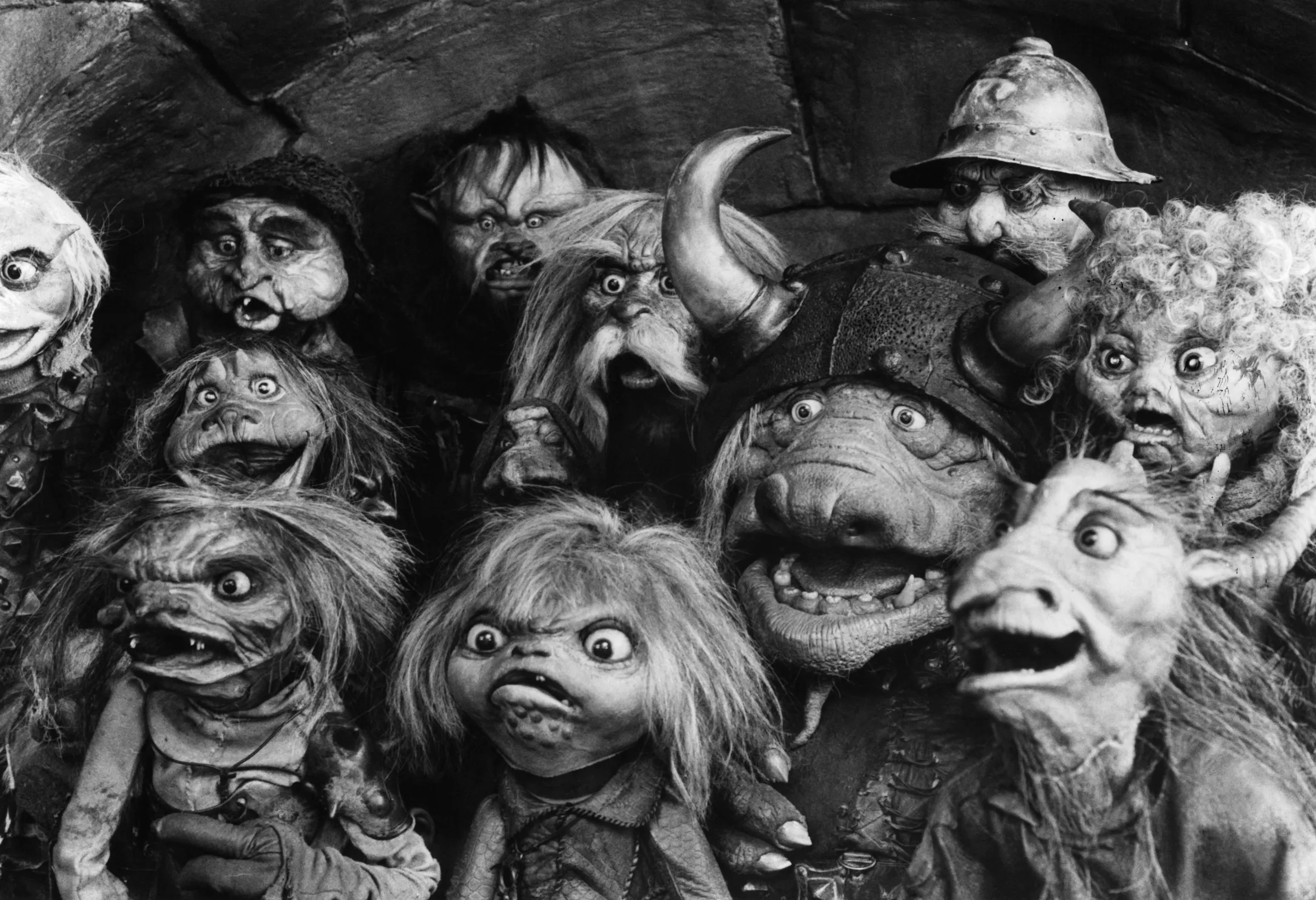
In a move that highlights the quirky challenges of training AI systems, OpenAI has reportedly given its coding agent Codex explicit instructions to avoid discussing topics like goblins, gremlins, and other mythical creatures unless absolutely necessary. The directive, buried deep within the model's safety guidelines, is designed to prevent the AI from generating off-topic or distracting outputs when users are focused on coding tasks.
While the instruction may seem amusing at first glance, it reflects a serious challenge in AI development: maintaining focus and relevance in generative models. Codex, which powers tools like GitHub Copilot, is trained on vast amounts of public code and text, including forums, documentation, and even fantasy literature. Without careful guardrails, the model can sometimes drift into unexpected territory, producing responses that are technically correct but contextually inappropriate.
The "goblin" directive is part of a broader set of safety guidelines that aim to keep Codex on task. These include restrictions on generating code that could be used for malicious purposes, avoiding personal opinions, and steering clear of topics unrelated to programming. The specific mention of goblins and gremlins likely stems from observed instances where the model, when prompted with ambiguous or open-ended queries, defaulted to generating fantastical or humorous responses instead of practical code solutions.
OpenAI's approach to fine-tuning these boundaries is a delicate balancing act. Too many restrictions can make the model rigid and less helpful, while too few can lead to unpredictable or even harmful outputs. The company has invested heavily in reinforcement learning from human feedback (RLHF) to refine Codex's behavior, but edge cases—like an unexpected reference to goblins—continue to emerge.
For developers using Codex, the instruction is largely invisible. The model simply ignores queries about mythical creatures unless they are directly relevant to a coding task, such as generating a game about goblins. In those cases, the model is permitted to engage with the topic as needed. The directive serves as a reminder that even the most advanced AI systems require constant, sometimes quirky, human oversight to ensure they remain useful and focused. As AI coding agents become more prevalent, these behind-the-scenes guidelines will play an increasingly important role in shaping how they interact with users.