AI Infrastructure2026-07-05 IEEE Spectrum AI
AI's Volatile Power Use Tests Grid Limits
The rapid expansion of artificial intelligence infrastructure is creating a hidden challenge for global energy grids: volatile power consumption that tests the limits of current systems. While data centers are projected to consume 3-4% of global electricity by 2025, their fluctuating demand patterns are proving even more problematic than their total energy use.
Unlike traditional data centers, which have relatively stable power consumption, AI training and inference workloads are highly variable. Training a large language model can cause sudden spikes in electricity demand, sometimes doubling a facility’s power draw within minutes. When multiple AI companies run training jobs simultaneously, these spikes can strain local grids, potentially causing voltage instability or even blackouts.
“The grid was designed for predictable, gradual changes in demand,” explains Dr. Elena Martinez, an energy systems researcher at MIT. “AI workloads are like a heavy metal concert in a library—they create sudden, massive surges that the system wasn’t built to handle.”
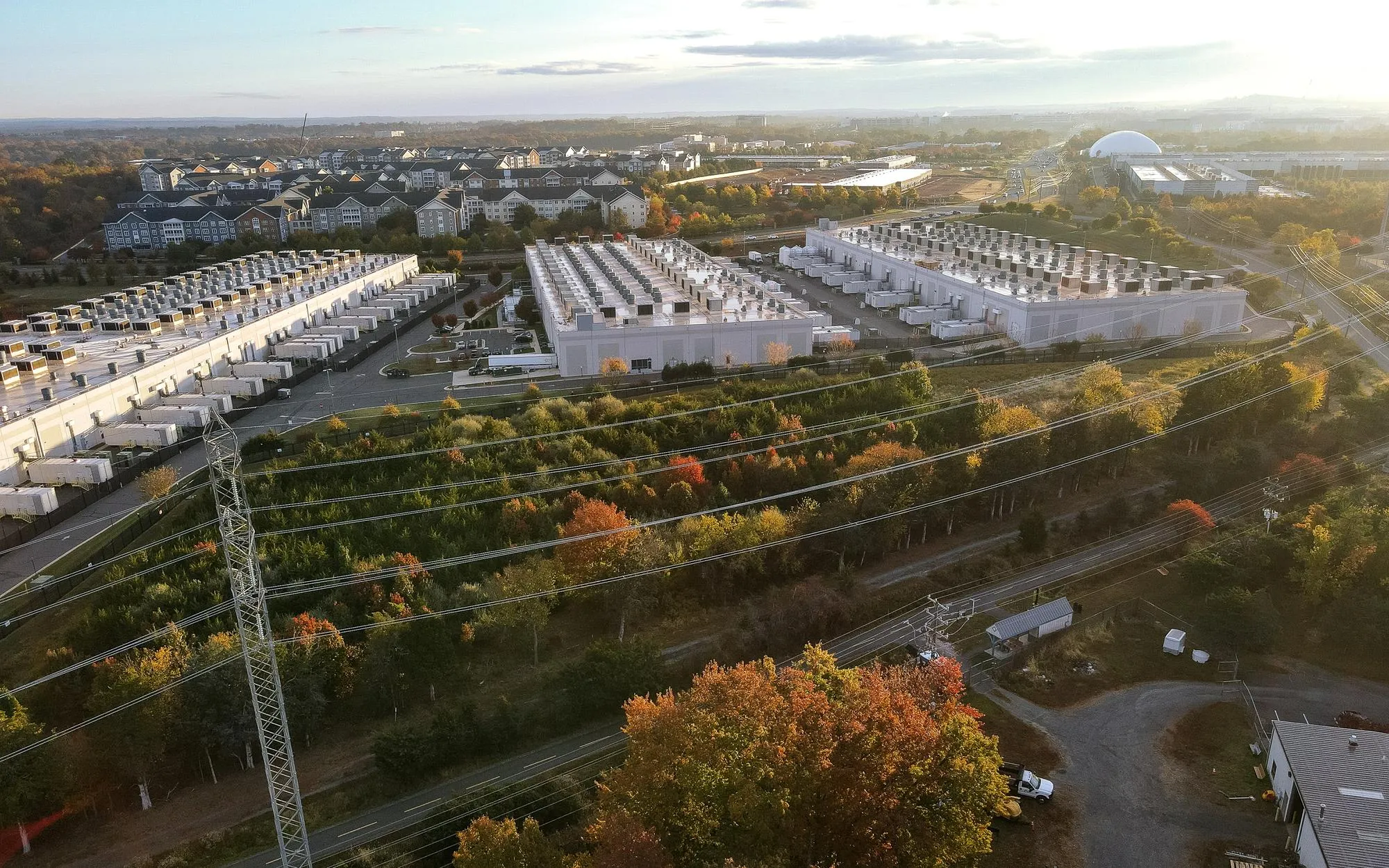
This volatility is particularly acute in regions with high concentrations of data centers, such as Northern Virginia, which hosts over 70% of the world’s internet traffic. Local utilities have reported that AI-driven demand fluctuations are causing them to activate emergency reserves more frequently.
The problem is compounded by the fact that AI training jobs often run for days or weeks, with power consumption varying dramatically based on the phase of training. During the initial “warm-up” phase, power use is low, but it ramps up sharply during intensive matrix calculations. Some facilities have reported power swings of 50% or more within a single hour.
To address these challenges, energy companies are exploring adaptive grid management technologies, including real-time load balancing, battery storage systems, and dynamic pricing that incentivizes AI companies to schedule training during off-peak hours. Some data center operators are also investing in on-site power generation, such as natural gas turbines or large-scale battery banks, to smooth out demand.
Regulators are beginning to take notice. The Federal Energy Regulatory Commission (FERC) recently announced a inquiry into the impact of AI on grid reliability. Meanwhile, tech companies are under pressure to disclose their energy consumption patterns and commit to more predictable usage.
The long-term solution may involve redesigning AI training processes to be more energy-aware, or building data centers in locations with robust grid infrastructure. For now, the volatile power use of AI remains a quiet but growing challenge that energy systems worldwide must adapt to.