AI Research2026-08-02 IEEE Spectrum
Are AI Models Working Harder Than Needed?
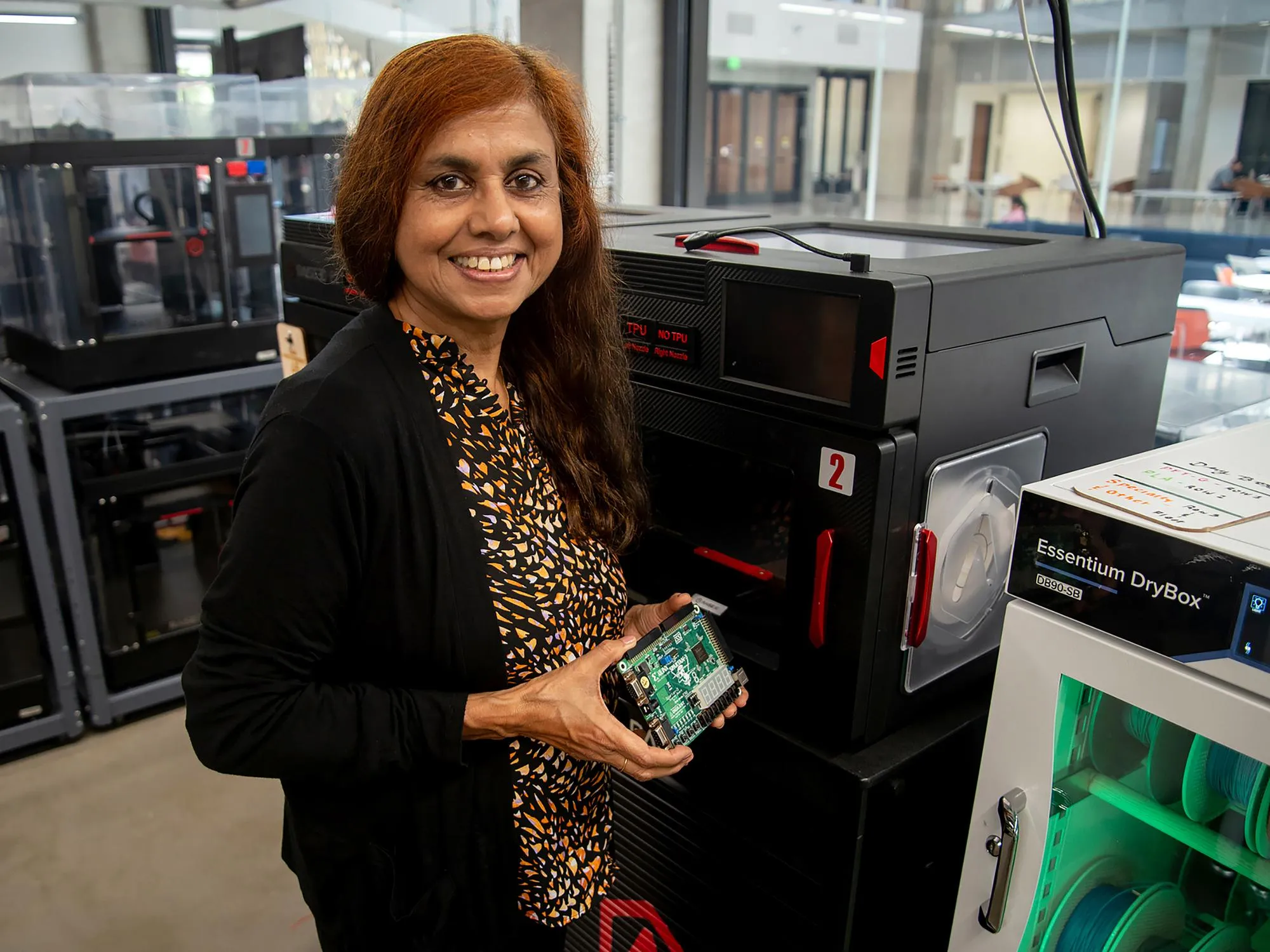
A growing body of research suggests that many AI models are performing far more computations than necessary. Lizy K. John, a professor at the University of Texas at Austin, has been investigating this inefficiency, focusing on the fundamental operations that underpin neural networks.
Most modern AI relies on multiplication. When a neural network processes an input, it multiplies that input by a set of learned weights—billions of times over. This is how models recognize patterns, generate text, and make predictions. But John argues that many of these multiplications are redundant or overly precise, adding computational load without improving accuracy.
Her research explores ways to reduce unnecessary computations, such as simplifying operations where high precision is not needed, skipping calculations that have minimal impact on the final output, or restructuring models to share intermediate results. These optimizations could lead to faster inference times and significantly lower energy consumption.
The implications are substantial. AI models are becoming larger and more complex, requiring massive data centers and enormous amounts of electricity. If models can be made more efficient, they could run on smaller, cheaper hardware—including edge devices like smartphones, sensors, and embedded systems. This would expand the reach of AI into applications where power and cost constraints currently limit deployment.
John's work is part of a broader movement toward sustainable AI. As the industry grapples with the environmental and financial costs of training and running large models, efficiency is becoming a key design goal. Reducing unnecessary computation not only saves resources but can also improve performance by cutting latency.
While the research is still ongoing, early results are promising. If adopted widely, these techniques could reshape how AI models are built and deployed, making them more accessible and sustainable. For developers, the takeaway is clear: sometimes doing less work can lead to better outcomes.