AI Coding2026-09-09 IEEE Spectrum AI
AI-Generated Code Flood is Changing Code Review Process
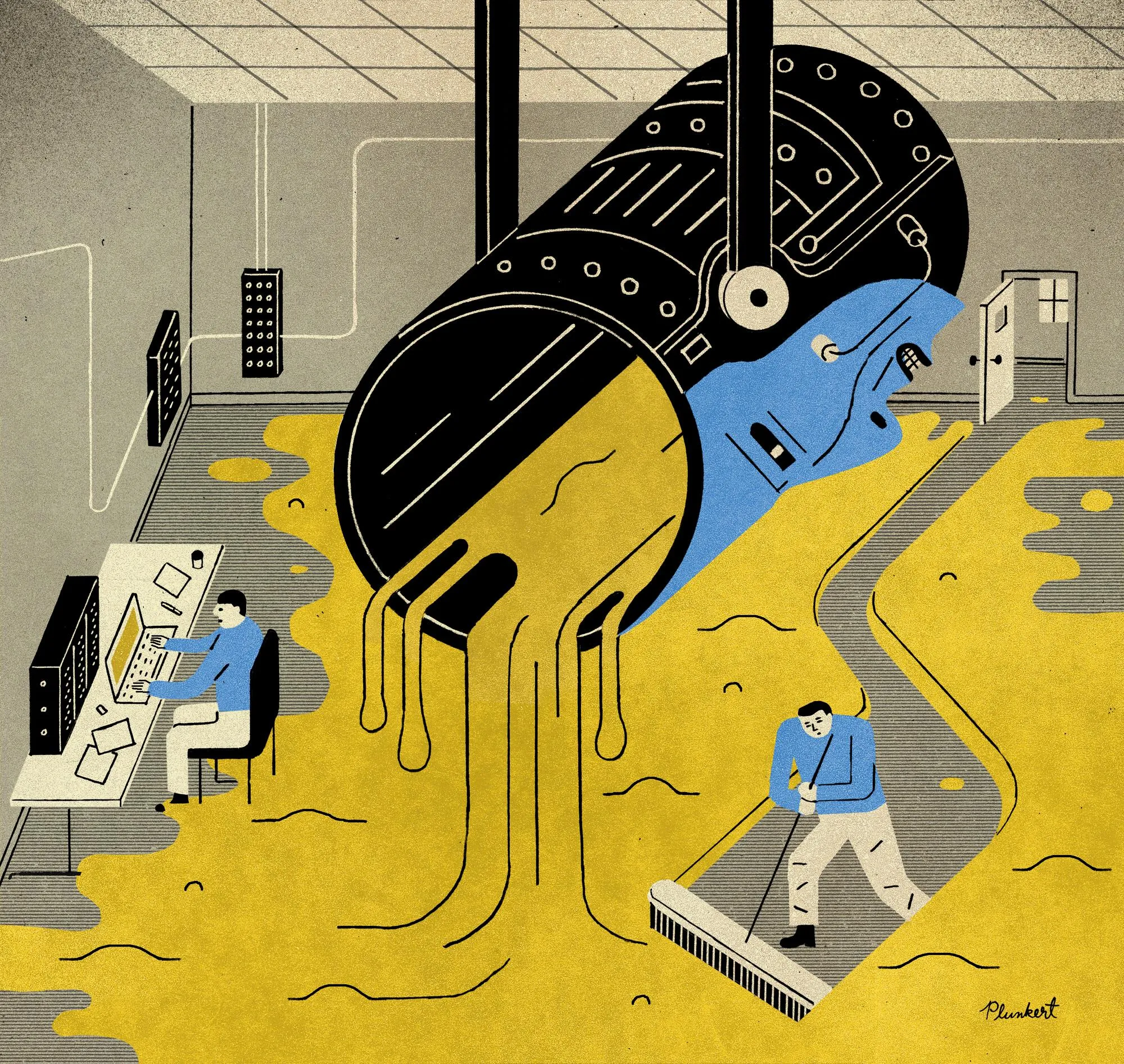
The rapid adoption of AI coding assistants is transforming the software development landscape, but not without introducing new challenges. Developers now use large language models to generate thousands of lines of code in minutes, dramatically accelerating feature delivery. However, this productivity boom comes with a hidden cost: the code produced by AI models often looks clean and syntactically correct on the surface, yet contains subtle logical errors, redundant patterns, or security vulnerabilities that are difficult for human reviewers to catch. As a result, code review—once a straightforward quality gate—has become a more complex and demanding task. Engineering teams are now forced to adapt their workflows to handle both the sheer volume of AI-generated code and its unique failure modes. Reviewers must develop new heuristics to spot AI-specific mistakes, such as hallucinated API calls or inconsistent variable naming. Some organizations are experimenting with automated review tools that can pre-screen AI output before it reaches human eyes. Others are revising their coding standards to require more explicit documentation and test coverage for AI-written code. This shift is also altering the role of software engineers. Instead of writing every line from scratch, engineers are becoming orchestrators and auditors of AI-generated code. The skill set required is evolving: deep code comprehension, prompt engineering, and a strong understanding of system architecture are now more valuable than raw typing speed. While AI coding tools are here to stay, the industry is still learning how to integrate them safely. The companies that succeed will be those that treat AI as a powerful junior developer—one that needs constant supervision, clear guidelines, and robust feedback loops.