AI Art2026-08-11 WIRED AI
The AI Slop Backlash Is Actually Having an Impact
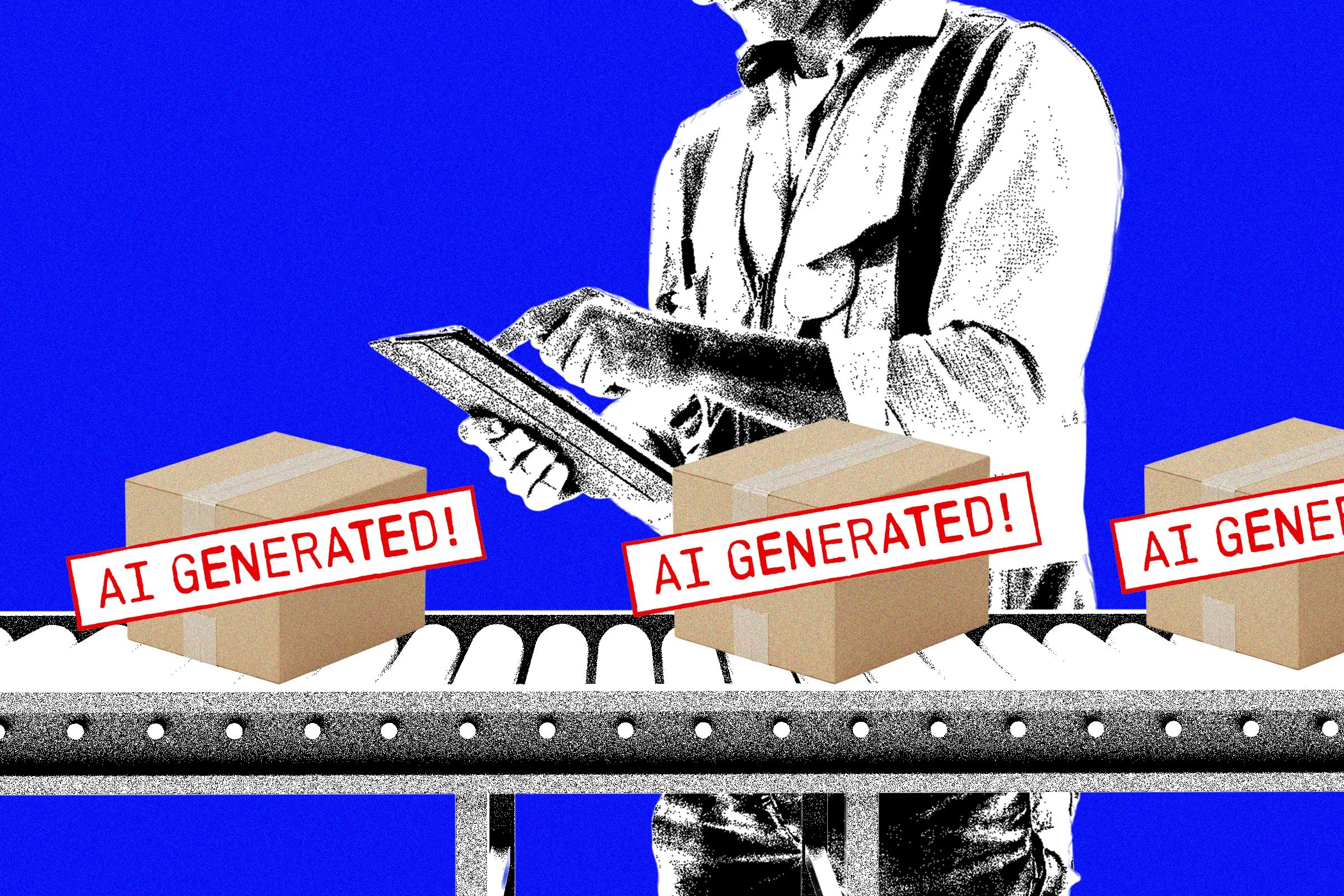
The internet has been flooded with low-quality, mass-produced content, often referred to as 'AI slop.' From generic blog posts to nonsensical images, this content has cluttered feeds and degraded the user experience. However, there is good news: the backlash against it is finally having a tangible impact on platform policies.
A growing number of websites and apps are now implementing tools and policies designed to flag, label, or outright ban AI-generated content. This is a significant shift from the early days of generative AI, when platforms were largely passive. The change is being driven by user demand. People are tired of seeing content that lacks human insight, creativity, or even basic accuracy. They want to read articles written by people who have actually researched the topic, and see art that involves genuine effort and emotion.
Platforms are listening. By cracking down on AI slop, they are aiming to preserve content quality and, more importantly, maintain user trust. If a platform becomes known as a haven for spam, users will leave. This policy shift is a recognition that authenticity is a valuable commodity in the digital age.
This doesn't mean AI is going away. It means that the technology is being repositioned. Instead of replacing human creativity, AI is being used as a tool to augment it. The new policies are designed to ensure that AI is used to help humans, not to drown them out. This is a turning point in the public's relationship with generative AI. It signals that we are moving from a phase of unchecked experimentation to one of curation and quality control. The message is clear: if you want to publish content, you need to bring something to the table—and a generic AI prompt isn't enough.