Product Launch2026-10-14 NVIDIA AI Blog
Global PC Ecosystem Ready for NVIDIA RTX Spark
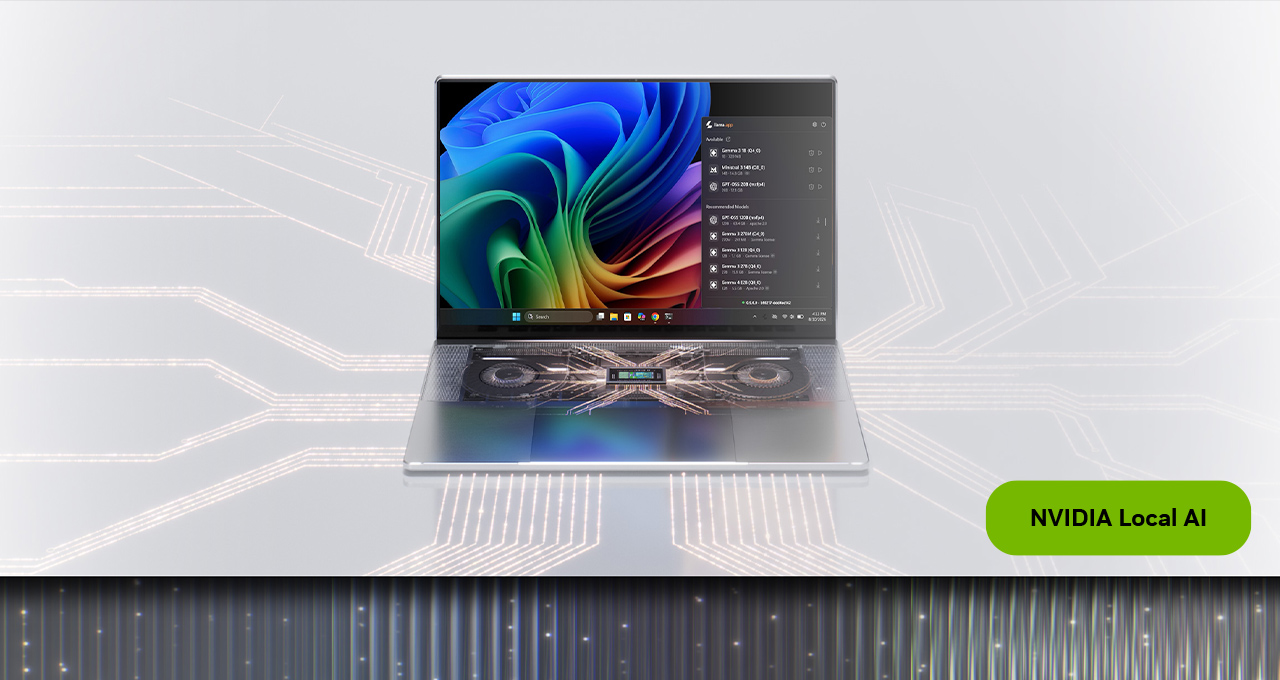
NVIDIA says the global PC ecosystem is ready for RTX Spark, a new superchip designed to reinvent the personal computer by merging three roles: a high-performance gaming rig, a creative studio, and a personal AI supercomputer. The pitch is that users will no longer need to choose between local power and cloud-dependent AI. RTX Spark promises up to 128GB of unified memory and 1 petaflop of AI compute, while delivering the full NVIDIA RTX software stack for local AI workloads. That combination matters because AI applications are moving from simple chat interfaces toward agents that run continuously, access local files, and automate tasks across applications. Running those workloads on-device can improve privacy, reduce latency, and cut cloud costs. For gamers, RTX Spark is positioned to handle demanding titles with advanced graphics. For creators, it aims to accelerate video editing, 3D rendering, and generative tools. For developers, it offers a local platform for testing AI agents and models without relying on remote servers. The company’s emphasis on ecosystem readiness is significant. Hardware alone does not create a new computing category. RTX Spark needs support from operating systems, game engines, creative software, and AI frameworks. NVIDIA claims that the global PC app ecosystem is prepared to take advantage of the chip, enabling on-device AI agents, professional creative tools, and high-performance gaming from laptops and desktops. If the promise holds, RTX Spark could accelerate the shift toward local AI computing. Many users are wary of sending sensitive data to the cloud, and many developers want predictable performance without per-query costs. A PC that can run frontier-style AI workloads locally could change how people work, play, and create. The main questions are price, power efficiency, and how quickly software makers deliver compelling experiences. Still, the launch marks a major push to make AI a native feature of the PC rather than a remote service.