AI Art2026-05-27 IEEE Spectrum AI
Thermal Cameras and AI Help Ships Avoid Gray Whales
On a sunny Tuesday afternoon in May, the bustling waters of San Francisco Bay are filled with container ships, tankers, and ferries navigating one of the busiest maritime corridors in the United States. But beneath the surface, a hidden danger lurks for the endangered gray whales that migrate through these waters each year. Ship strikes have long been a leading cause of death for these majestic creatures, but a new technological solution is offering hope.
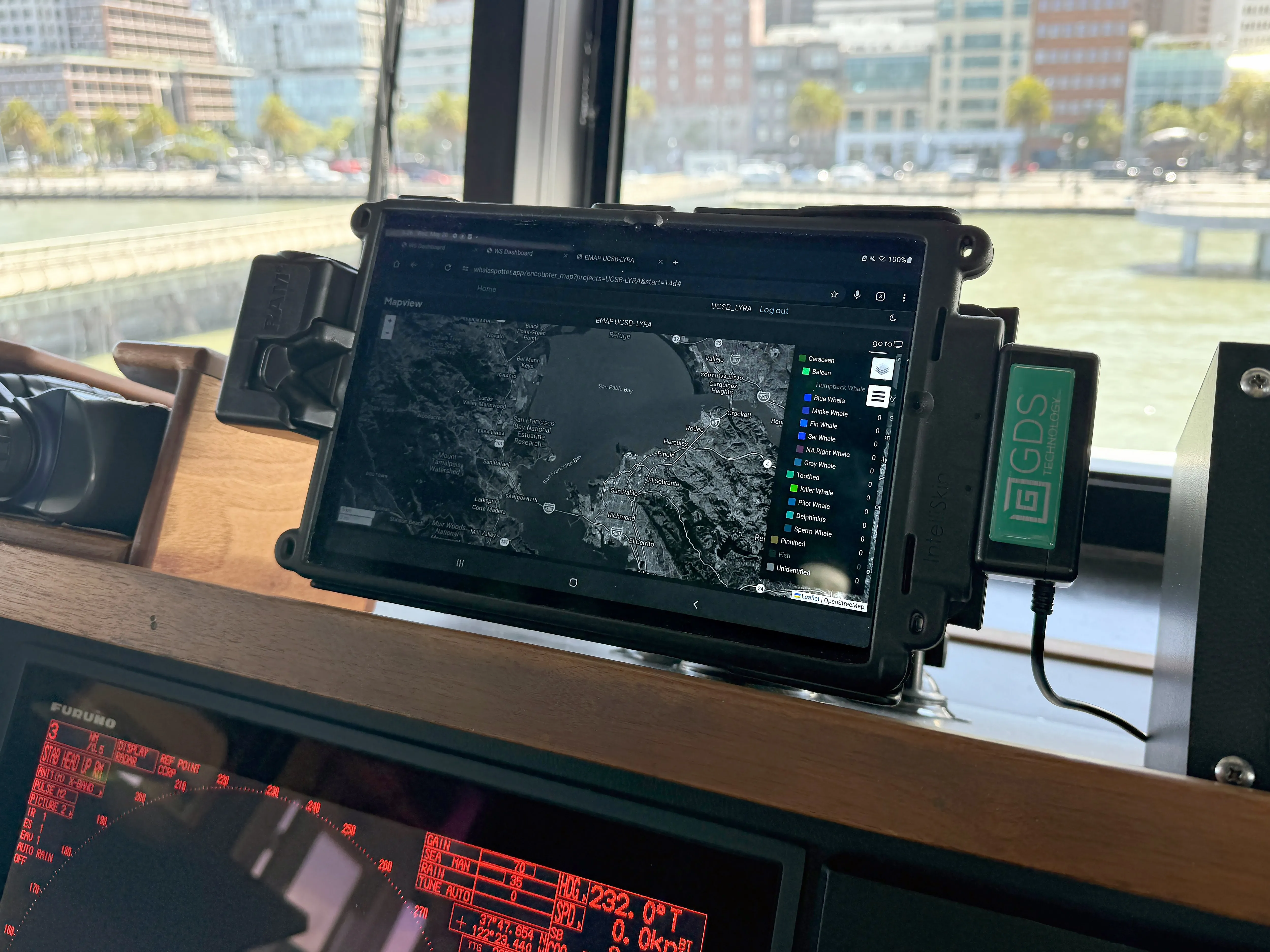
Researchers have developed an innovative system that combines thermal cameras with artificial intelligence to detect gray whales in real time. The thermal cameras scan the ocean surface, identifying the heat signatures of whales as they come up to breathe. The AI then analyzes these images, distinguishing whales from other objects like waves or debris, and sends immediate alerts to nearby vessels. This early warning system gives ship captains precious time to alter course and avoid a collision.
What makes this approach so powerful is its ability to work in low visibility conditions—fog, darkness, or choppy waters—where human lookouts might miss a whale. The system has been tested in the bay and shows remarkable accuracy, dramatically reducing the risk of deadly encounters. It is a compelling example of how AI can be applied to environmental conservation, turning a technology often associated with automation and data processing into a tool for protecting vulnerable wildlife.
Beyond saving whales, this project demonstrates the broader potential of AI-driven monitoring systems. As shipping traffic increases worldwide, similar systems could be deployed in other whale habitats, from the coast of California to the waters off New England. For now, the thermal camera and AI system is a beacon of hope for gray whales, proving that innovation and compassion can go hand in hand.