Model Update2026-05-29 NVIDIA AI Blog
NVIDIA Advances Robotics from Simulation to Real World
NVIDIA is pushing the boundaries of robotics with a new wave of research that bridges the gap between controlled lab demonstrations and real-world, reliable automation. At the recent International Conference on Robotics and Automation (ICRA), the company showcased eight papers out of 28 accepted that focus on making robots more adaptable and autonomous.
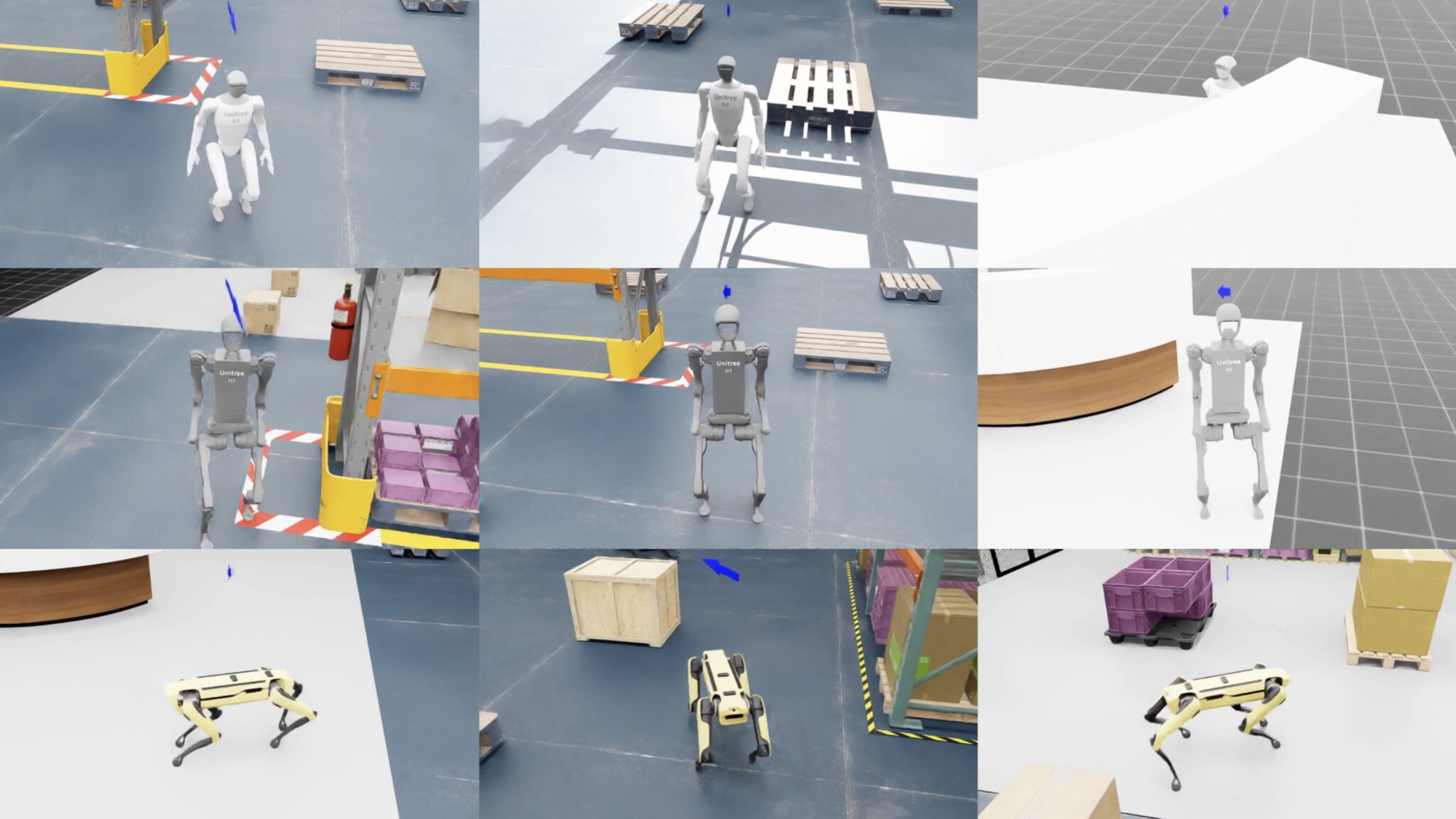
The core challenge in robotics has always been the "sim-to-real" gap: a robot that performs flawlessly in a simulated environment often struggles when faced with the unpredictability of the physical world. NVIDIA’s research tackles this head-on by developing techniques that allow robots to learn and refine their skills in virtual spaces before being deployed in factories, warehouses, or homes.
These papers highlight methods for transferring learned behaviors from simulation to reality, enabling robots to handle variations in lighting, object placement, and physical dynamics. By training in highly realistic simulated environments, robots can accumulate millions of trial-and-error experiences without the risk of damaging hardware or causing safety incidents.
This approach is a significant step toward generalizable embodied autonomy—robots that can perform multiple tasks without needing to be reprogrammed for every new scenario. Instead of relying on scripted automation, these systems learn to adapt on the fly.
For industries looking to automate complex processes, this research promises faster deployment cycles and more resilient systems. Robots trained in simulation can be shipped with a baseline of knowledge and then fine-tuned on-site, reducing the time and cost of implementation.
NVIDIA’s work at ICRA underscores a broader trend: the future of robotics lies not just in better hardware, but in smarter software that can bridge the virtual and physical worlds seamlessly.